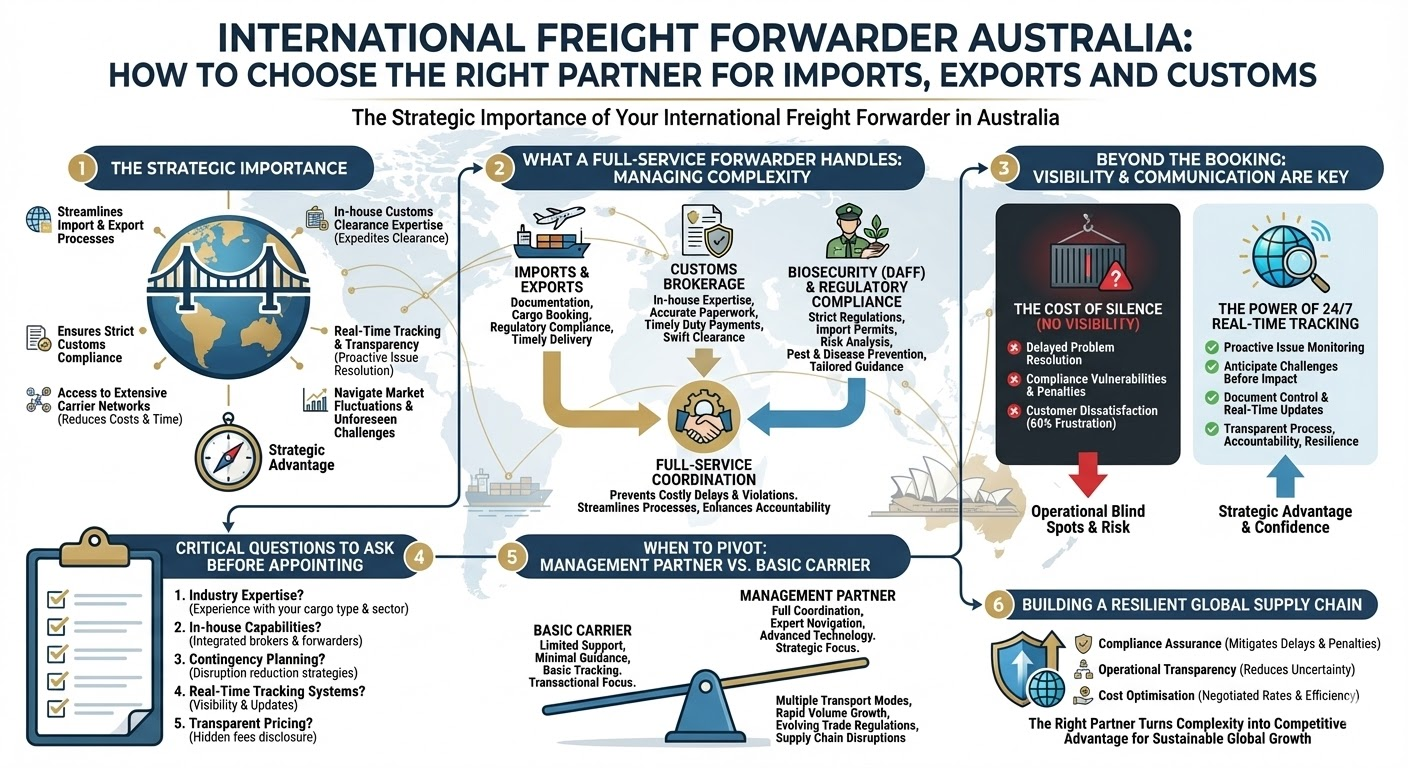
Businesses cannot afford to operate in the dark. Freight transparency—the ability to track shipments, monitor carrier performance, and communicate in real time—has become a necessity, not a luxury.
Clear communication and visibility across the supply chain lead to better financial outcomes, improved customer satisfaction, and reduced operational risks. Here’s why prioritising freight transparency can directly benefit your bottom line.
1. Reducing Costly Errors and Hidden Charges
Without transparency, businesses often fall victim to unexpected fees, incorrect invoicing, and costly inefficiencies.
Key financial benefits of freight visibility:
- Accurate freight invoicing: Automated tracking ensures you are only charged for services you receive.
- Eliminating costly delays: Real-time tracking prevents unnecessary wait times, detention fees, and failed deliveries.
- Preventing duplicate shipments: Visibility reduces miscommunications that lead to redundant or unnecessary freight movements.
Example: Companies that use freight auditing software have reported savings of up to 5–10% on logistics costs by identifying billing discrepancies and avoiding unnecessary surcharges.
2. Enhancing Customer Trust and Retention
Customers expect timely, accurate delivery updates—whether they are businesses waiting on supplies or consumers tracking their orders. Lack of transparency leads to frustration and loss of trust.
How transparency strengthens customer relationships:
- Proactive communication: Customers appreciate real-time updates rather than chasing information.
- Improved delivery reliability: Tracking data helps businesses predict and resolve delays before they impact customers.
- Higher customer retention: Businesses that provide clear shipping updates foster long-term loyalty and repeat business.
Companies that prioritise freight transparency can turn logistics into a competitive advantage, setting them apart from competitors that leave customers in the dark.
3. Optimising Freight Performance and Efficiency
When businesses have real-time insights into freight operations, they can continuously refine their logistics strategy to improve efficiency and reduce costs.
Key areas where transparency drives efficiency:
- Carrier performance monitoring: Businesses can track on-time delivery rates and optimise carrier selection.
- Route optimisation: Real-time data allows for adjustments to avoid congestion and delays.
- Inventory planning: Predictive analytics help ensure stock levels align with demand, preventing expensive last-minute freight expenses.
By making data-driven decisions based on transparent freight insights, businesses can streamline operations and achieve more with less.
4. Strengthening Supplier and Carrier Relationships
Transparent freight management doesn’t just benefit businesses—it also improves collaboration with carriers and suppliers.
Transparency fosters:
- Stronger negotiations: Businesses with freight performance data can negotiate better rates and service levels.
- Trust with logistics partners: Clear expectations and real-time tracking improve accountability.
- Proactive issue resolution: When problems arise, transparent communication helps businesses and carriers resolve them quickly.
When all parties have visibility into logistics performance, supply chains run more smoothly and efficiently.
5. Future-Proofing Your Supply Chain
As logistics technology evolves, businesses that embrace data transparency and automation will be better positioned for long-term success.
Key trends driving the future of freight transparency:
- Blockchain for secure and verifiable supply chain transactions.
- AI-driven analytics to predict disruptions before they happen.
- Automated reporting for compliance and performance tracking.
Investing in freight transparency today ensures that businesses remain agile and competitive in an increasingly complex logistics landscape.
Conclusion
Freight transparency isn’t just about tracking shipments—it’s about cutting costs, improving service, and driving business growth.
By eliminating hidden fees, enhancing customer trust, optimising performance, and strengthening partnerships, businesses that embrace freight transparency will see real financial gains.