Visibility in Freight: Information That Drives Better Decisions

Relevant Articles

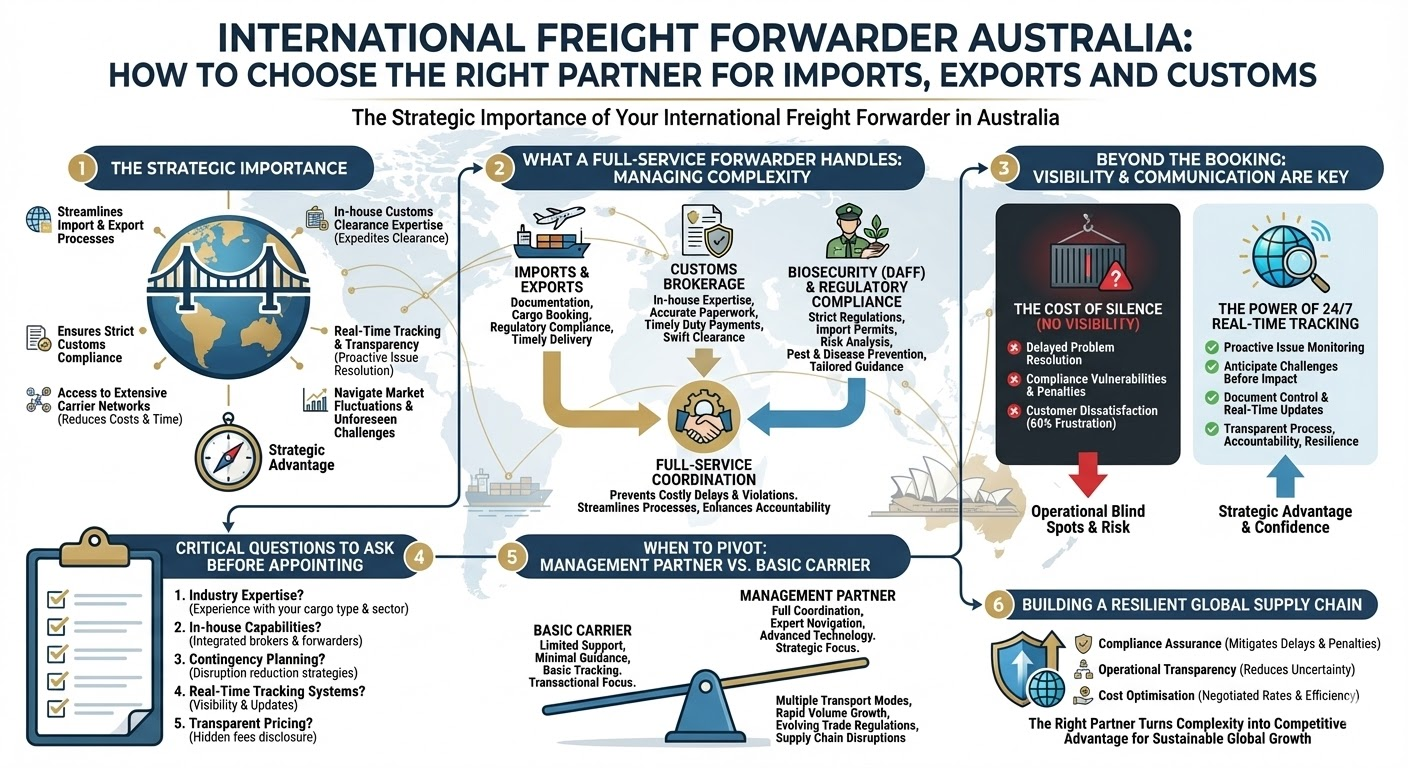
Visibility in freight is often misunderstood. Many providers talk about tracking as though knowing where a consignment is automatically creates control. In reality, tracking alone doesn’t prevent problems — it often just confirms them after the damage is done.


Real visibility is about foresight, not hindsight.


At Clique, visibility in freight management is designed to support decision-making before service breaks. It’s not about watching freight move across a screen; it’s about understanding patterns, risks and exceptions early enough to act.


Most freight issues don’t appear suddenly. Late pickups, missed scans, capacity constraints and congestion build gradually. Without meaningful visibility, those warning signs are missed until a delivery fails and customer expectations are already compromised.


Clique focuses on surfacing the right information at the right time. That includes lane-level performance, service consistency by carrier, exception frequency and trend movement over time. This allows intervention before a problem becomes visible to the customer.


Visibility becomes especially important during peak periods or when freight volumes fluctuate.


Businesses operating across major hubs like Melbourne, Sydney, Brisbane, Perth and Adelaide face different capacity pressures at different times. What performs well in one market may struggle in another. Without clear insight, freight decisions are made reactively.


Good visibility also reduces internal noise. Operations teams don’t need to chase updates. Customer service teams aren’t left guessing. Leadership has confidence that freight performance reflects reality, not optimism.


Importantly, visibility only delivers value when paired with ownership. Data without accountability is just information. Clique’s account management team uses visibility to make decisions — adjusting carrier allocation, refining service levels, or escalating issues early.


When visibility is done properly, freight becomes quieter. Fewer surprises. Fewer escalations. More control.


That’s not about seeing more — it’s about seeing what matters.

Share This Post

Facebook
LinkedIn

More News

For thought-provoking insights and the latest company news.

HOW TO CHOOSE A FREIGHT MANAGEMENT PARTNER IN AUSTRALIA

The modern business landscape is characterised by a relentless pace, evolving consumer expectations, and a constant battle for competitive advantage. For Small and Medium-sized Enterprises (SMEs), navigating these complexities can be particularly challenging, especially when it comes to the final leg of delivery. Last-mile logistics, the critical but often costly process of getting products from a distribution hub to the end customer, has become a significant pain point. Escalating surcharges, driven by a confluence of factors, are increasingly squeezing SME profit margins, threatening their ability to compete. However, a strategic paradigm shift towards “elastic logistics” offers SMEs a powerful, often overlooked, weapon to combat these rising costs and thrive in a dynamic market. This article explores how adopting an elastic approach to logistics can transform delivery challenges into opportunities, providing SMEs with the agility and resilience needed to succeed.

Read Article  

WHEN SHOULD AUSTRALIAN BUSINESSES OUTSOURCE FREIGHT MANAGEMENT?

The modern business landscape is characterised by a relentless pace, evolving consumer expectations, and a constant battle for competitive advantage. For Small and Medium-sized Enterprises (SMEs), navigating these complexities can be particularly challenging, especially when it comes to the final leg of delivery. Last-mile logistics, the critical but often costly process of getting products from a distribution hub to the end customer, has become a significant pain point. Escalating surcharges, driven by a confluence of factors, are increasingly squeezing SME profit margins, threatening their ability to compete. However, a strategic paradigm shift towards “elastic logistics” offers SMEs a powerful, often overlooked, weapon to combat these rising costs and thrive in a dynamic market. This article explores how adopting an elastic approach to logistics can transform delivery challenges into opportunities, providing SMEs with the agility and resilience needed to succeed.

Read Article  
Scroll to Top

Error

The tracking number entered did not return any valid consignment. Please try again.

Freight Audit Guide

This field is for validation purposes and should be left unchanged.

contact us

This field is for validation purposes and should be left unchanged.
This field is hidden when viewing the form
Here is a radio button:
This field is hidden when viewing the form
Here is a checkbox: