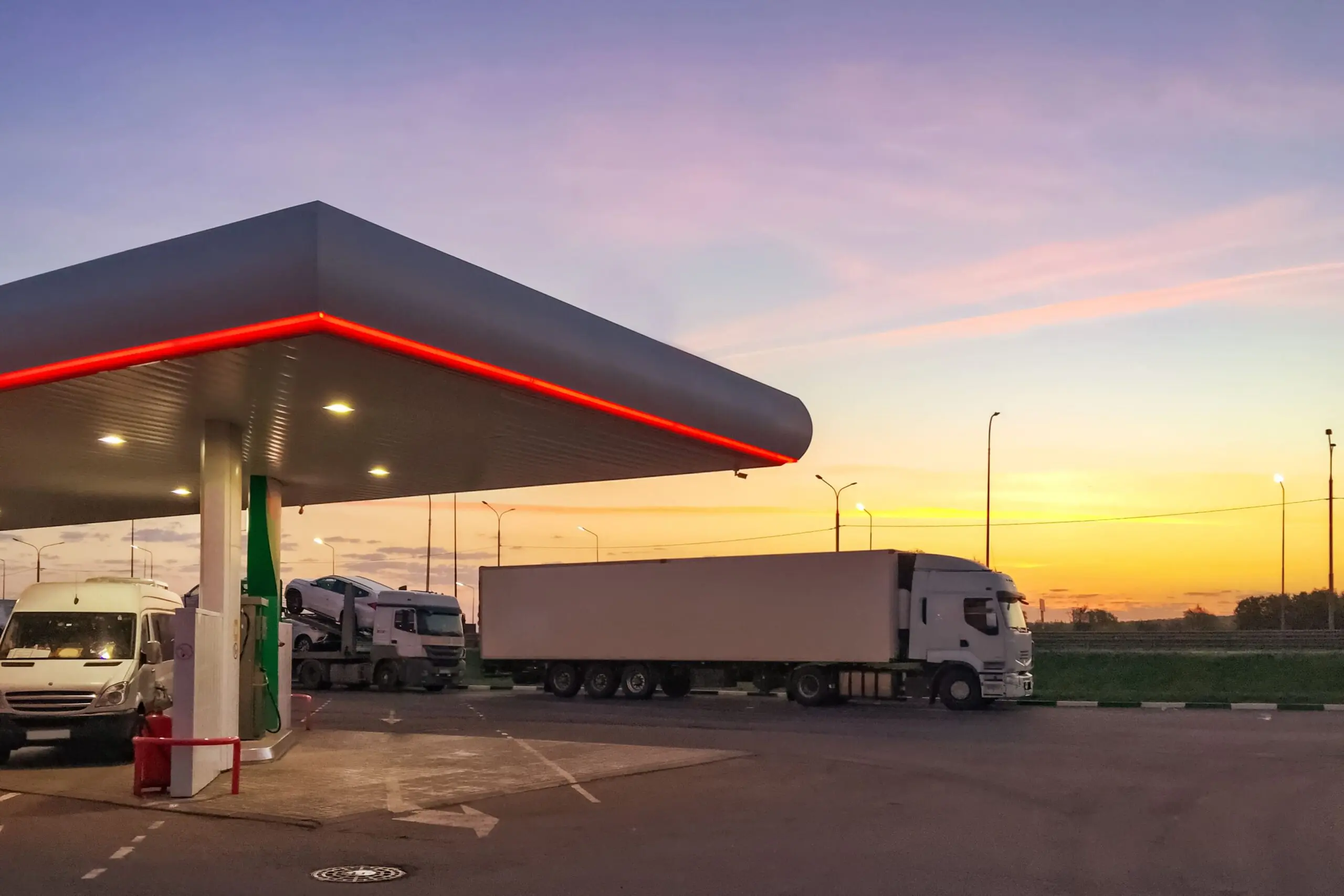
We’ve all seen the fuel surcharge increases over the past 6-8 weeks. With fuel prices where they are, it’s no surprise some levy rates are pushing close to 60% — anyone who’s been to the servo lately gets it.
Unfortunately, the honest reality is this volatility looks like it’s here for a while longer than any of us had hoped. For Australian businesses managing significant freight spend, that’s not a small line item. It’s a cost that compounds across every consignment, every lane, every week.
Fuel surcharges across the market are tracking close to 40%+ above early March 2026 levels. For businesses running tight margins, that kind of movement isn’t easy to absorb.
~60%
Peak fuel levy rates seen across the market in Q1 2026
+42%
Average fuel surcharge increase above early March 2026 levels
2 weeks
Average implementation time for a multi-carrier freight management setup
Source: Clique Logistics network data, April 2026.
What’s Driving the Increase?
Australian fuel prices have remained elevated through Q1 2026, driven by a combination of global crude oil price movement, a weaker Australian dollar, and domestic refinery constraints. Carriers, who absorb fuel as one of their largest operating costs, pass this through to customers via fuel levies — which are recalculated regularly and often with little warning.
The result: businesses that haven’t reviewed their freight arrangements recently are often finding that the gap between what they budgeted and what they’re paying has grown significantly — without any change in their own freight volumes or requirements.
6 Strategies to Navigate Freight Cost Volatility
While there is no silver bullet, there are practical strategies that help reduce exposure. Here’s what we’ve been working through with our customers:
1. Multi-Carrier Setup in a Single Platform
If you’re locked to one or two carriers, you’re exposed every time they move on fuel levies. When a single carrier reprices aggressively, you have no alternative — you absorb it.
Running multiple carriers through a consolidated freight management system gives you the flexibility to route each shipment to the most cost-effective option. Which carrier that is has been changing week to week over the past 6-8 weeks. Price-aggressive carriers naturally get deprioritised. Your spend shifts dynamically, without your team having to manually manage five carrier relationships.
The businesses best positioned to handle surcharge volatility aren’t those with the lowest rates. They’re the ones with the most routing flexibility.
2. Freight Consolidation Conversations
Talk to your customers — and your team — about shipment frequency. Fewer, larger consignments mean less handling on both ends, lower per-unit freight costs, and a natural buffer against surcharge spikes.
This isn’t always possible, particularly in businesses with service level commitments or just-in-time requirements. But it’s worth having the conversation. In our experience, there’s often more flexibility in customer expectations than teams assume — particularly when the conversation is framed around cost efficiency and reliability, not inconvenience.
3. Road Express vs. General Freight Review
Not every lane needs express. If you haven’t reviewed your service levels recently, there are often savings sitting in lanes where general freight would meet customer expectations just fine — without the express premium.
A straightforward lane audit — mapping transit time requirements against actual service level expectations by customer and destination — regularly surfaces meaningful savings, particularly for regional and interstate movements.
4. Carrier Rate Benchmarking
Volatility is a good trigger to get a fresh set of rates on the table. Carriers price differently by lane, freight type, and volume — and if it’s been more than 12 months since you last ran a formal benchmarking exercise, the gap between your contracted rates and current market rates is likely more significant than you’d expect.
This doesn’t mean switching carriers. It means ensuring the rates you’re paying reflect your actual freight profile and volume, not a legacy arrangement that was negotiated under different market conditions.
5. Freight Spend Visibility
It’s hard to make good decisions without clean data. Many businesses have a general sense of their total freight spend but limited visibility at the lane, carrier, or consignment level — which means cost increases often go unnoticed until they’ve compounded over months.
Tracking average cost per consignment, cost per kilogram, and average cost per carrier gives your team the levers to identify unusual movements early and respond before they become a problem. Real-time freight visibility platforms make this increasingly accessible without significant IT investment.
Key metrics worth monitoring:
- Average freight cost per consignment (monthly)
- Cost per kg by lane and carrier
- Fuel levy as a percentage of total freight spend
- Variance from prior period and budget
6. Measure Fuel Cost as a Percentage of Revenue
This one often gets overlooked. Tracking freight costs — and specifically fuel-related charges — as a percentage of your top line revenue helps you understand what’s actually happening in your freight cost base.
Are costs increasing because surcharges are up across the board? Or is freight spend growing in line with your business as volumes increase? The distinction matters significantly when you’re trying to understand your true freight efficiency and make the right decisions about where to invest in improvement.
Rising costs on flat revenue = margin erosion that needs addressing urgently.
Rising costs alongside revenue growth = a volume story that may require a different response.
What to Do Next
Not all of these strategies will apply to every business. But the businesses navigating this period best aren’t waiting for the market to settle before they act — they’re making small, deliberate moves while others are absorbing the hit.
A useful starting point is understanding where your business sits on the freight management maturity curve. Businesses at the Reactive stage are most exposed to market volatility — they have limited carrier flexibility, minimal spend data, and no structured benchmarking process. Moving even one stage along the curve — to Managed or Integrated — significantly reduces that exposure.
The goal isn’t a perfect freight setup. It’s a setup that gives you options when the market moves — and the data to make smart decisions quickly.
About Clique Logistics
Clique Logistics is a carrier-agnostic freight management partner for Australian businesses spending $500K or more on domestic freight annually. We work with manufacturers, distributors, and wholesalers who know their freight setup isn’t as sharp as it could be — even if it’s currently functional.
We manage multiple carriers through a single platform, audit every invoice against agreed rate cards, and provide the visibility and reporting that helps businesses make smarter freight decisions — not just today, but continuously.
cliquelogistics.com.au | (08) 8443 8213 | 58B Greenhill Road, Wayville SA 5034