What Is Freight Management & How It Works
Freight Management: Connecting Commerce, Technology, and Human Expertise
In today’s fast-paced global economy, the efficient movement of goods is vital. Freight management makes this possible, handling the complexities of logistics to deliver more than just products—it delivers confidence, reliability, and seamless customer experiences. But what exactly is freight management, and why does it matter? Let’s break it down.
The Multifaceted Nature of Freight Management
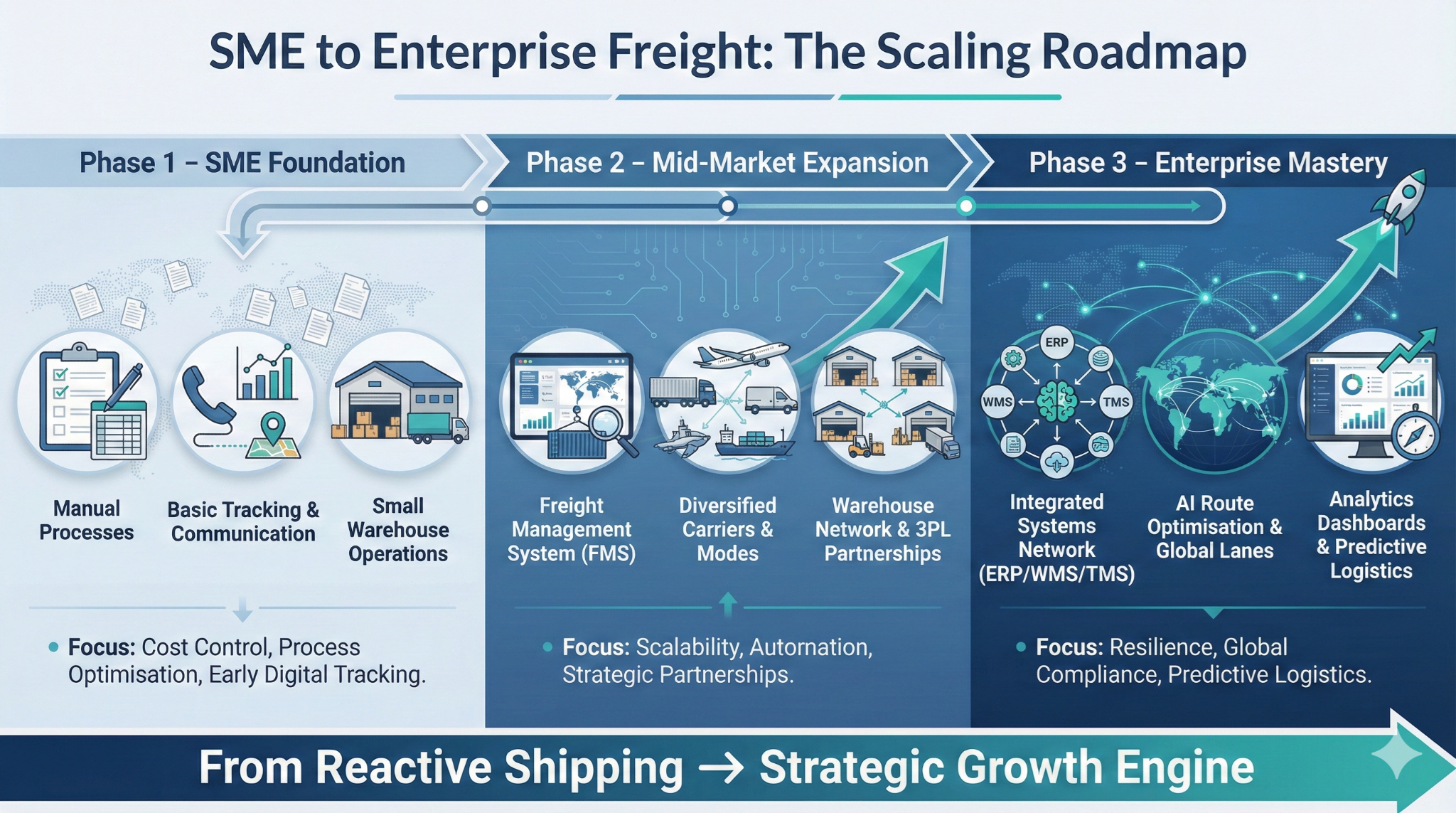
Freight management is the backbone of logistics and the entire supply chain. It’s a multifaceted discipline, involving strategic planning, intelligent route selection, careful cost management, and risk mitigation. At Clique Logistics, we leverage industry expertise and technological innovation to ensure that each shipment reaches its destination efficiently and reliably.
- Route Planning: We optimise routes by factoring in variables like traffic, weather, and regulatory requirements. This ensures that shipments take the safest and most efficient paths, minimising delays and costs.
- Mode Selection: Different goods need different methods of transport, from air and sea to road and rail. We help clients choose the best options based on their specific needs, whether for speed, cost-efficiency, or special handling.
- Cost Management: Freight management is about maximising value without sacrificing quality. We negotiate competitive rates, optimise fuel usage, and use economies of scale to deliver cost-effective solutions.
- Risk Management: Unpredictable events—whether customs delays, weather disruptions, or other factors—can impact transit. Our proactive approach to risk management minimises these disruptions, keeping your supply chain steady.
The Human Element of Freight Management
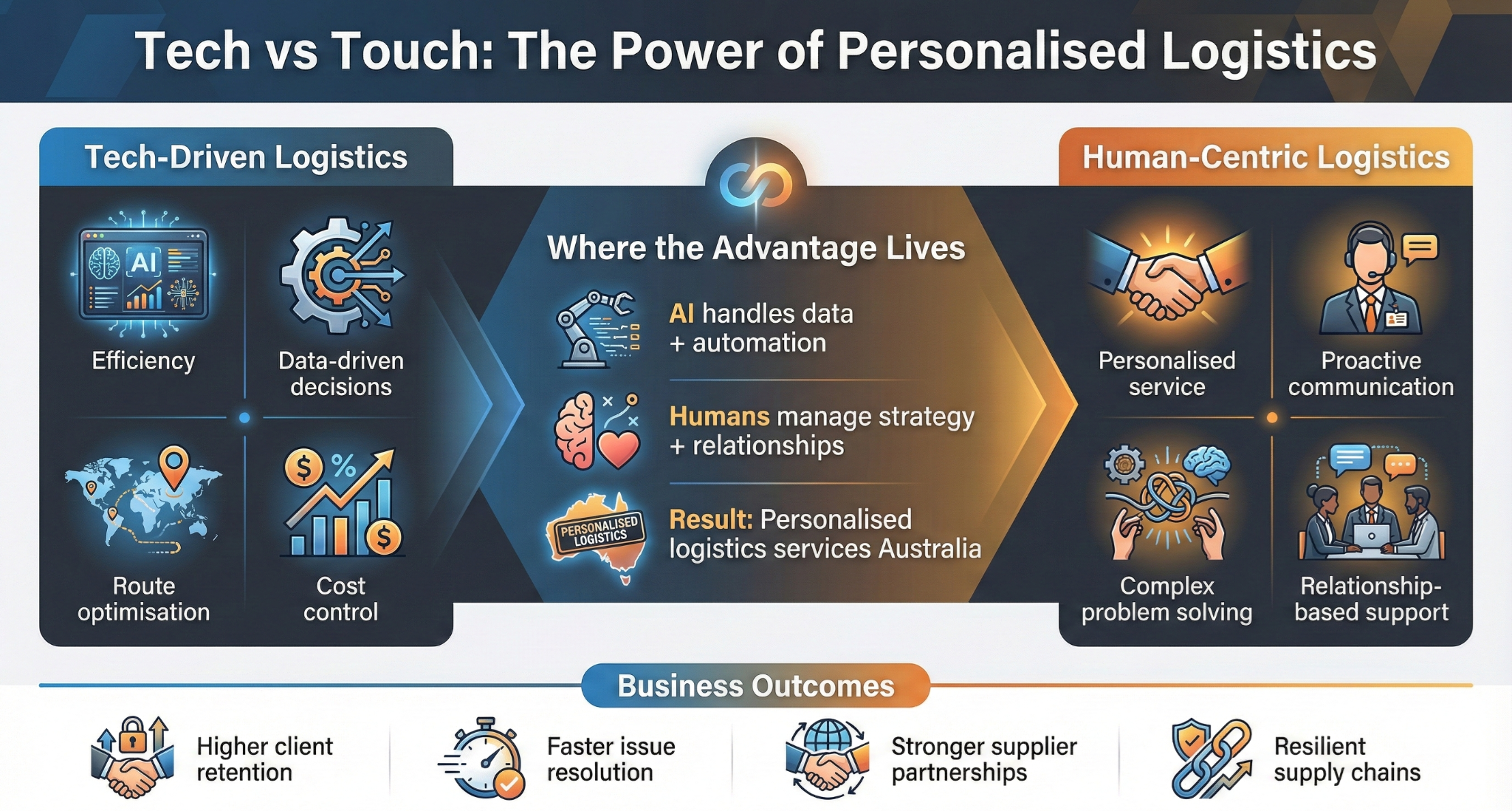
Behind every successful shipment at Clique Logistics is a team of skilled professionals who coordinate every step of the journey. Our team’s analytical thinking, problem-solving skills, and dedication are invaluable. They manage everything from route planning and carrier negotiation to real-time updates, ensuring that each shipment is in safe hands from start to finish.
Adapting to a Changing World
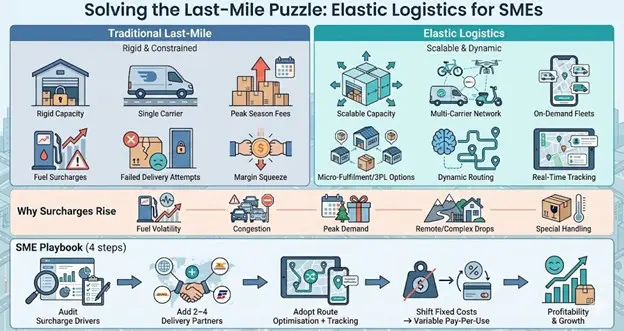
Freight management isn’t just about moving goods; it’s about staying ahead of industry changes. We stay agile, adapting to trends like the rise of e-commerce, which has intensified the demand for last-mile delivery—the final and often most complex step in the logistics chain. We excel at adapting to these evolving needs, ensuring customer expectations are met with reliable, real-time solutions.
Key Components of Freight Management
Each component in the freight management process is vital, working in harmony to enable smooth global operations:
- Planning & Strategy: We analyse past data, forecast future trends, and anticipate potential challenges. This allows us to plan with precision, saving time and minimising costs.
- Carrier Selection: Choosing the right carrier is critical. We assess carriers for reliability, geographic coverage, and compliance, ensuring they meet our high standards for efficiency and safety.
- Documentation & Compliance: In logistics, accurate paperwork is essential. Clique Logistics maintains compliance with all regulatory requirements, helping our clients avoid delays, fines, or legal issues.
- Warehousing & Storage: When goods need a temporary home, our warehousing solutions offer secure, managed facilities that preserve product integrity, particularly for temperature-sensitive items.
- Tracking & Monitoring: Advanced tracking tools allow us to provide real-time updates on shipments. This transparency ensures proactive issue management and customer peace of mind.
- Customer Service & Communication: Clear communication is foundational at Clique. We prioritise consistent updates and address concerns promptly, building trust through every interaction.
Technology in Freight Management: Driving Efficiency and Innovation
Technology is integral to our approach at Clique Logistics. Here’s how it enhances our freight management solutions:
- Data Analytics: Our data-driven approach allows us to forecast demand, optimise routes, and make proactive decisions, reducing delays and cutting costs.
- Cloud Computing: By centralising information, cloud technology ensures everyone involved has up-to-date data, facilitating seamless collaboration across the supply chain.
Conclusion: Freight Management at Clique Logistics
Freight management is a dynamic field, essential to both global commerce and daily life. Clique blends strategy, expertise, and technology to provide seamless, reliable freight solutions that keep your business moving forward. As the industry evolves, we’ll continue to adapt, innovate, and lead, ensuring that your supply chain stays resilient and responsive to the demands of tomorrow.
Freight management at Clique Logistics isn’t just about logistics—it’s about connecting people, products, and possibilities.