Clique Logistics has assisted countless organisations in reducing and eliminating the challenges they faced prior to joining the Clique. Our approach to business is guided by our relentless focus on delivering a 10/10 customer experience and taking the pain away for our customers.
Over the journey, we have identified trends in the challenges our customers were facing prior to joining Clique Logistics – covering performance issues, administration, risk management, communication, customer service, and above all else, the opportunity cost of managing freight internally. We work tirelessly to remove and reduce these ever-present pain points for our customers, freeing them up to do what they do best – all while building a value-driven competitive advantage within their specific industry.
Below is a list of the challenges our customers have reported to us prior to commencing with Clique Logistics:
- Complexity of Freight Management: Many organisations may find managing their freight operations internally to be a complex and challenging task, which can lead to inefficiencies, errors, and increased costs.
- Inefficient Processes: Organisations might struggle with inefficient and manual freight management processes, leading to wasted time and resources.
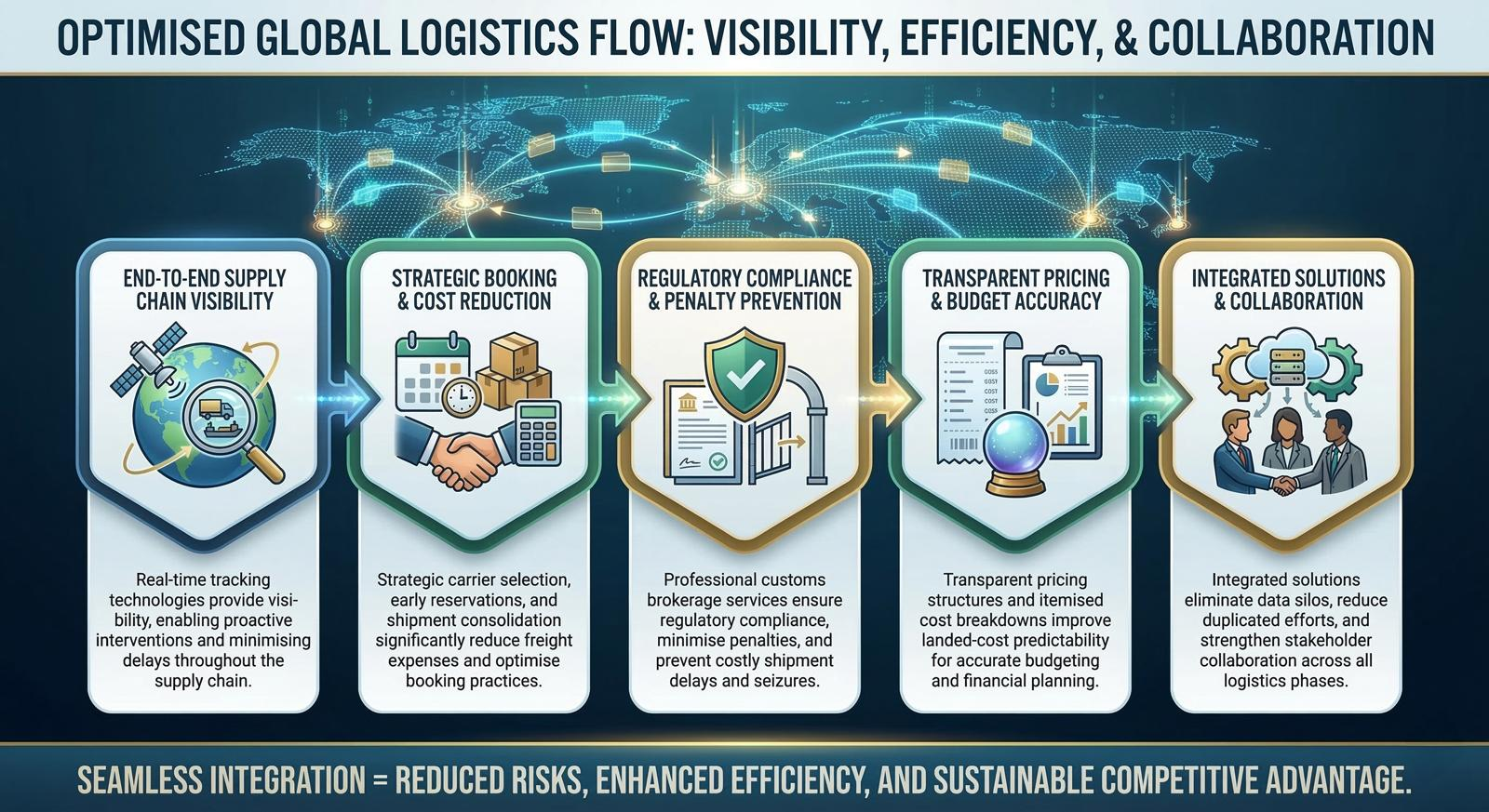
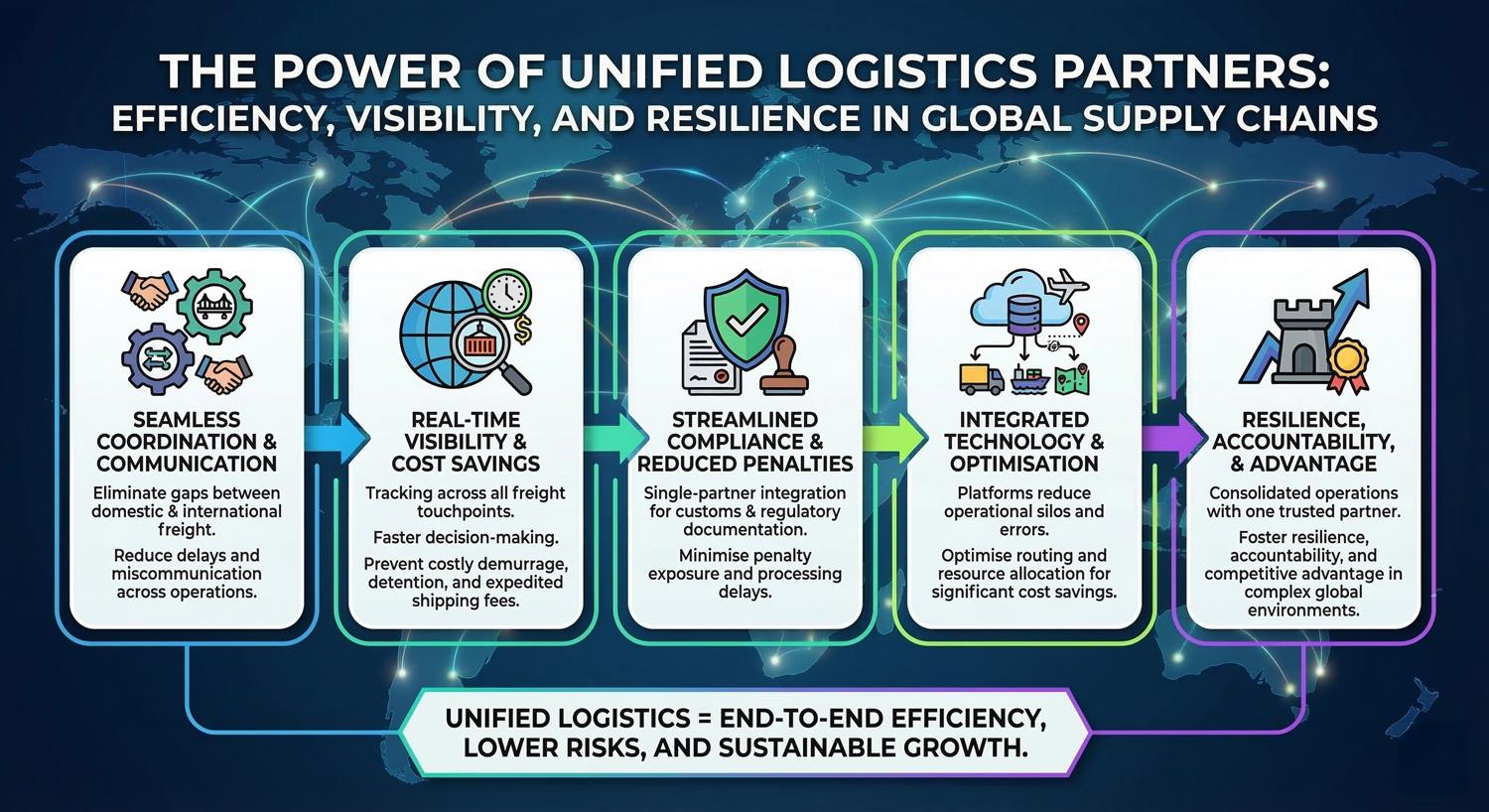
- Lack of Visibility: Organisations may not have real-time visibility into their supply chain, making it difficult to track shipments, inventory, and the overall logistics process.
- Service Reliability: Clients could have had negative experiences with previous logistics providers, leading to concerns about service reliability and consistency.
- Inadequate Technology: Some organisations may not have access to advanced transportation management systems or lack the expertise to implement and use them effectively.
- Risk Management: Mitigating risks in the supply chain, including issues related to regulations, compliance, and safety (e.g., handling dangerous goods), may be a concern.
- Carrier Optimisation: Organisations might face challenges in effectively managing and coordinating multiple vendors and carriers, which can result in fragmented logistics operations.
- Time-Consuming Procurement: The procurement process for freight services can be time-consuming and complex, especially for organisations with multiple vendors.
- Customer Appreciation: Maintaining high levels of customer satisfaction to allow each customer to be and feel appreciated can be difficult when logistics issues lead to delivery delays or other problems.
- Lack of Integration: Organisations may be using various systems and software tools that do not integrate well, leading to data silos and inefficiencies.
- Limited Resources: Smaller clients might lack dedicated logistics staff, making it challenging to effectively manage their logistics operations.
- Scalability: Organisations with growing or fluctuating shipping needs may find it challenging to scale their logistics operations up or down as needed.
By addressing these pain points and aligning your services with your stakeholders’ specific needs, you can demonstrate the value of your supply chain solution within your industry, driving enhanced customer loyalty from your customers. Furthermore, it will give you more scope to focus your time on value-creation activities internally, rather than managing day-to-day transport-related concerns.
Find out what we offer to allay these fears for our clients.
Interested in finding out more on how we can help? Give us a call or reach out to us today!