In today’s fast-moving supply chain environment, businesses are no longer thinking only in terms of domestic freight. As global markets open up and customer expectations rise, the ability to move goods seamlessly across borders has become a competitive necessity. That’s where international freight forwarding — and the right partner — makes all the difference.
More Than Moving Boxes
At its simplest, international freight forwarding is about transporting goods from one country to another via ocean or air. But in reality, it’s far more complex. Between customs regulations, carrier schedules, import/export paperwork, and unpredictable delays, a shipment is exposed to dozens of risks before it ever reaches its destination.
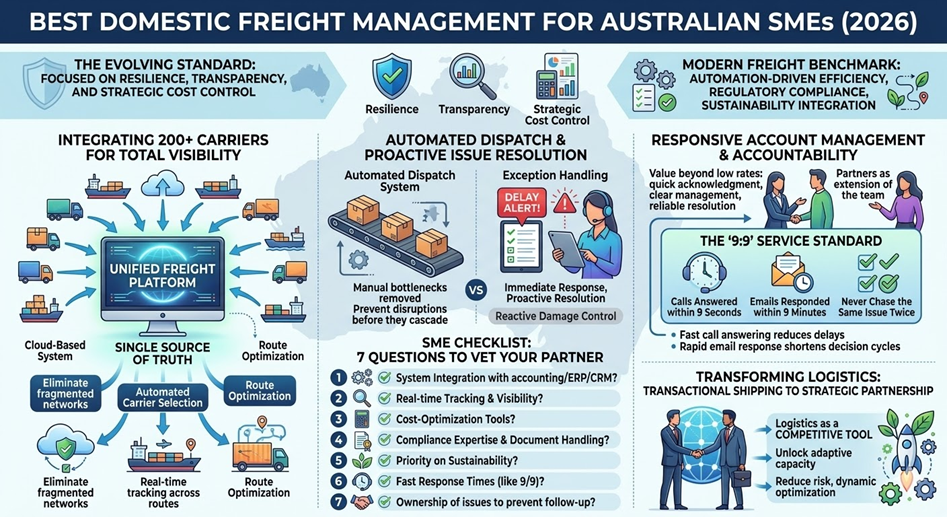
That’s why businesses are turning to 4PL providers — logistics partners who don’t just book freight, but manage the entire supply chain from end to end. A 4PL acts as the single point of accountability, coordinating every carrier, every movement, and every detail.
The Value of a 4PL Approach
A strong 4PL solution means:
- Visibility & Control – real-time updates across domestic and international freight, all in one place.
- Reduced Risk – proactive management of delays, documentation, and compliance.
- Efficiency – a single partner to streamline what would otherwise require multiple providers.
- Strategic Value – shifting freight from a cost centre into a source of reliability and customer trust.
For businesses importing raw materials, exporting finished goods, or doing both, this approach transforms freight from a headache into a competitive advantage.
Ocean, Air & Customs: The Key Pillars
- Ocean Freight remains the backbone of international trade. It’s cost-effective for large volumes, but it requires precise planning to meet schedules and avoid costly demurrage charges.
- Air Freight offers speed and flexibility. It’s the go-to option when time is critical, but it demands expert coordination to balance cost and transit requirements.
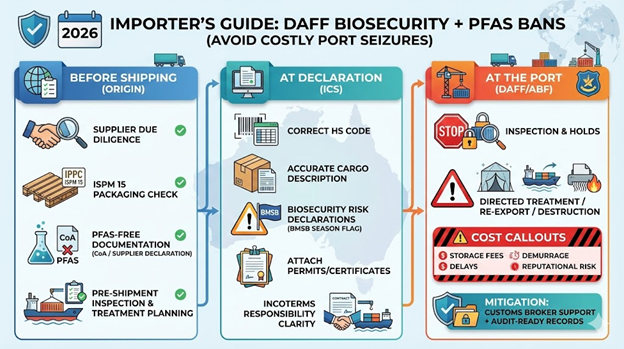
- Customs Brokerage is often overlooked but is one of the most critical steps in international forwarding. A single error in paperwork or tariff classification can mean costly delays or fines. Having a partner who knows the ins and outs of clearance processes across multiple regions saves both time and money.
Why It Matters
Today’s supply chains are global. Whether you’re an Australian business looking to expand overseas, or a global brand importing into Australia, your freight partner needs to do more than arrange transport. They need to manage complexity, protect your reputation, and deliver consistency across borders.
That’s the true value of working with an international 4PL provider.
Bottom line: International freight forwarding isn’t just about moving shipments. It’s about creating a supply chain that delivers on time, every time, no matter the distance.
👉 Learn more about how Clique Logistics can simplify your international freight.