In logistics, transparency isn’t just a luxury—it’s a necessity. Clear, real-time communication ensures that shipments move efficiently, issues are addressed proactively, and customers remain informed. In an industry where unexpected delays, supply chain disruptions, and missed deliveries can create significant setbacks, a lack of transparency can erode trust and lead to costly inefficiencies.
By embracing logistics transparency, businesses can enhance operational efficiency, strengthen relationships, and improve overall supply chain performance. Here’s why communication is essential and how to implement it effectively.
-
The Impact of Transparency on Logistics Performance
Transparency in logistics means providing visibility into every stage of the supply chain, from order placement to final delivery.
A lack of transparency can lead to:
- Customer frustration: Clients expect accurate tracking and timely updates.
- Operational inefficiencies: Hidden bottlenecks can increase costs and delays.
- Missed opportunities for improvement: Without visibility, identifying weak spots is challenging.
- Supply chain disruptions: Poor communication can amplify the effects of unexpected issues.
On the other hand, companies that prioritise clear communication benefit from fewer delays, better carrier relationships, and enhanced customer satisfaction.
-
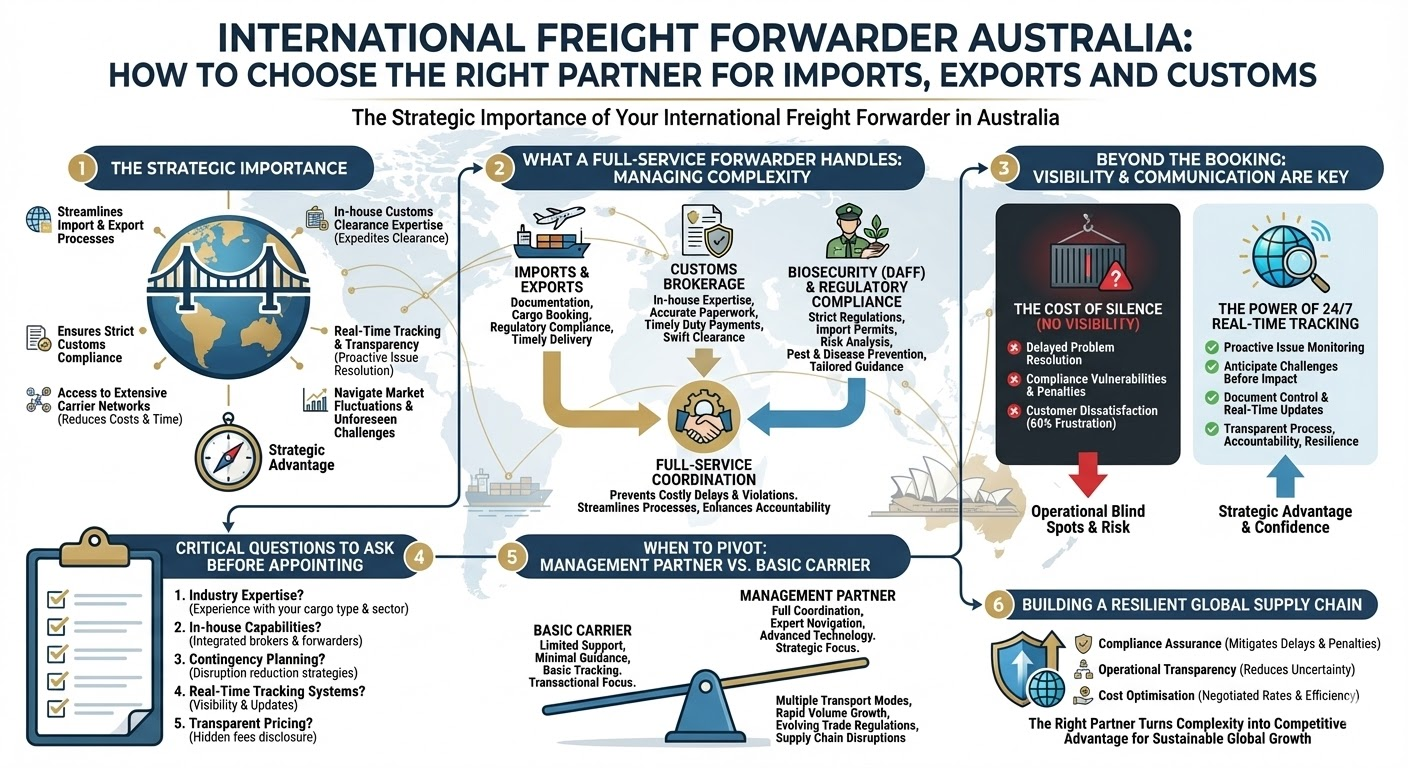
Real-Time Tracking: A Must-Have for Logistics Transparency
One of the most critical aspects of transparency is real-time shipment tracking. Businesses that provide live tracking updates can:
- Boost customer confidence: Shippers and customers alike appreciate visibility into estimated arrival times.
- Enhance decision-making: Companies can react proactively to delays and reroute shipments if necessary.
- Reduce manual inquiries: Customers won’t need to constantly follow up for updates.
- Improve accountability: Clear tracking ensures that carriers and logistics partners meet their commitments.
Technology-driven tracking solutions, such as GPS monitoring, IoT sensors, and automated notifications, make it easier than ever to provide real-time logistics insights.
-
Communication with Carriers and Partners
Strong relationships with carriers and supply chain partners rely on open and honest communication. A lack of information sharing can lead to misalignment, delays, and cost overruns. Best practices include:
- Setting clear expectations: Ensure all parties understand service levels and delivery timelines.
- Sharing key data points: Provide partners with visibility into order volumes, peak periods, and potential challenges.
- Leveraging integrated platforms: Transportation Management Systems (TMS) enable seamless information sharing among all stakeholders.
When logistics partners are aligned, businesses can minimise disruptions and create a more efficient supply chain.
-
The Role of Transparency in Customer Experience
Customers demand real-time updates, proactive notifications, and clear resolutions when issues arise. Transparency in logistics leads to:
- Fewer complaints and disputes: Clear communication builds trust and reduces miscommunication.
- Better problem resolution: If a delay occurs, proactive updates help manage expectations.
- Stronger brand reputation: Companies known for reliable and transparent logistics gain a competitive advantage.
Transparency doesn’t mean perfection—it means owning mistakes, communicating effectively, and continuously improving.
-
Implementing a Transparency-Driven Strategy
To improve logistics transparency, businesses should focus on:
- Investing in real-time tracking technology.
- Establishing clear communication channels with carriers.
- Providing automated updates to customers.
- Regularly reviewing and optimising transparency practices.
By integrating these strategies, companies can create a logistics network that is efficient, resilient, and customer-focused.
Conclusion
Transparency in logistics is about building trust, improving efficiency, and delivering a superior customer experience. Businesses that prioritise clear communication will not only enhance operational performance but also gain a significant edge in a competitive market.