Freight Tracking in Australia
Imagine you’re tracking a shipment of medical supplies for a hospital in Sydney, and you receive real-time updates on its journey across Australia. This kind of visibility can significantly impact logistics efficiency. But what happens when unexpected delays occur? Understanding the subtleties of freight tracking can help you navigate these challenges and improve your overall experience. Let’s examine the technologies and strategies that can make all the difference in your freight management.
Understanding Freight Tracking Technologies
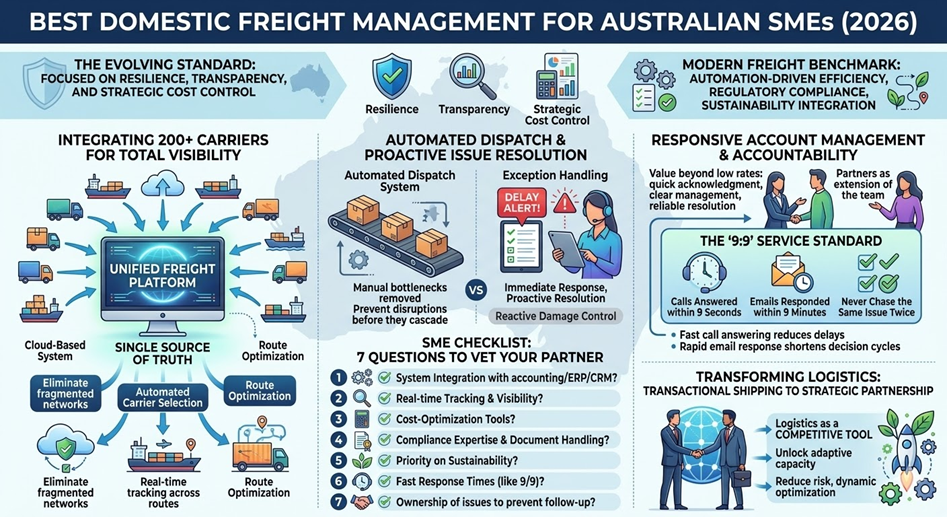
Freight tracking technologies are the backbone of modern logistics, enabling you to monitor your shipments in real time.
With tracking innovations like unique tracking numbers and barcodes, you can easily follow your parcel’s journey from dispatch to delivery.
Technological advancements, such as GPS and RFID integration, improve shipment visibility and provide essential updates at every milestone.
You’ll receive automated notifications via email or mobile apps, keeping you informed of any changes or delays.
In addition, data analytics within these systems allow logistics companies to optimise operations, helping you avoid potential bottlenecks.
Benefits of Real-Time Shipment Monitoring
When you monitor your shipments in real time, you gain instant updates on their location, significantly improving visibility throughout the delivery process.
This benefits overview reveals key advantages, like improved tracking accuracy and a better understanding of your supply chain.
By anticipating potential delays, you can proactively manage logistics, minimising disruptions that could affect your operations.
Real-time shipment monitoring also increases customer satisfaction, as recipients stay informed about delivery times and changes.
Furthermore, improved tracking capabilities allow for efficient resource allocation, helping you optimise logistics based on live data.
How to Use Tracking Numbers Effectively
Using tracking numbers effectively can greatly improve your shipping experience. Start by familiarising yourself with different tracking number formats, as each carrier may use a unique system.
When you receive your tracking number, enter it into the carrier’s tracking platform to get real-time updates on your shipment’s location and estimated delivery time. If you’ve got multiple packages, remember you can enter up to 10 tracking numbers simultaneously.
Be aware of common tracking issues, such as delays or misrouted packages, and use effective tracking methods to stay informed. Regularly check for milestone events, like when your parcel is out for delivery.
This proactive approach guarantees you’re always in the loop about your shipment’s status.
Handling Missed Deliveries and Disruptions
Handling missed deliveries and disruptions can feel frustrating, but knowing your options can make the process smoother.
When a missed delivery occurs, you typically have three key courier options:
- Redelivery: Schedule another attempt for delivery at a convenient time for you.
- Authorisation to Leave: Allow the courier to leave your parcel in a safe place without a signature.
- Depot Collection: Pick up your package directly from the courier’s depot.
For the best results, keep track of your shipment with the tracking number and communicate with customer service if delivery isn’t completed within the expected timeframe.
Staying proactive and informed helps you handle missed deliveries effectively and guarantees you receive your items as soon as possible.
Enhancing Customer Experience in Freight Management
Effective communication and real-time tracking are key to improving customer experience in freight management.
By leveraging tracking system innovations, you can keep customers updated on their shipments, enhancing transparency and trust. Implementing proactive communication techniques guarantees that you address potential disruptions, like severe weather before they impact delivery.
Regularly acknowledging customer feedback through targeted strategies helps you identify areas needing improvement, allowing for tailored services that meet customer expectations.
When you provide user-friendly tracking options and mobile accessibility, customers gain better control over their shipments, contributing to a smoother experience overall.
MacShip Tracking Solutions
Improving customer experience in freight management sets the stage for innovative tracking solutions like MacShip. This centralised platform revolutionises how you track freight across various carriers in Australia, making logistics much simpler for you.
Here are some standout MacShip features:
- Multiple Tracking: You can monitor up to 10 shipments simultaneously by entering their tracking numbers.
- Real-Time Updates: Stay informed with instant status updates and milestone tracking throughout your freight’s journey.
- Carrier Communication: Receive timely notifications regarding any delays or disruptions, enhancing your ability to respond effectively.
MacShip’s seamless integration of these elements guarantees you’re always in the loop, significantly improving your logistics management experience.
With MacShip, tracking freight becomes efficient and hassle-free.
Conclusion
In today’s fast-paced world, efficient freight tracking can make all the difference. With advanced technologies like GPS and RFID, you can easily monitor your shipments in real time, ensuring you stay informed every step of the way. Isn’t it reassuring to know that you’ll receive timely updates on your deliveries? By embracing these innovations, you’re not just improving your logistics; you’re enhancing your overall customer experience. So, why settle for anything less when seamless tracking is at your fingertips?