Continuous Improvement is all about making small, incremental changes that, over time, lead to significant improvements. It’s a mindset focused on refining processes, improving efficiency, and delivering better results. At Clique, we embrace this philosophy in everything we do, from technology and systems to customer interactions. By constantly evaluating our operations and implementing smart improvements, we ensure that our solutions evolve alongside the needs of our clients. This approach enables us to stay ahead of challenges, optimise services, and provide greater value at every stage of the logistics process.
Why is Continuous Improvement Important??
In a fast-moving industry like logistics, staying ahead of the competition requires constant evolution. Continuous Improvement helps businesses streamline operations, reduce waste, and stay flexible in a changing market. By focusing on refining processes and solving problems, businesses can boost efficiency, cut costs, and enhance customer satisfaction. This ongoing commitment ensures that operations remain competitive, driving better outcomes for both the business and its customers. Ultimately, Continuous Improvement allows companies to transform logistics into a strategic advantage, delivering better results and maximising value in the long term.
What does continuous improvement look like at Clique?
-
Route Optimisation – Improving Service to Key Customers, Locations, or Projects
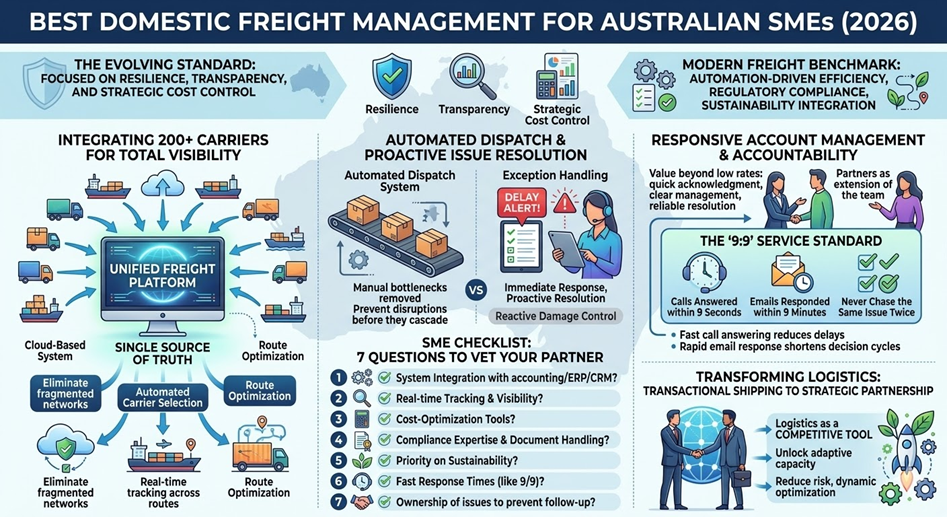
Route optimisation is key to improving service reliability and reducing costs. By refining routes, focusing on customer priorities, and accounting for project-specific needs, we can enhance delivery speed and efficiency. Using real-time data on traffic patterns and delivery times, routes are continuously evaluated and adjusted to ensure the quickest, most cost-effective delivery for every client.
-
Machship Integration with Your WMS or ERP
Seamlessly integrating Machship with your Warehouse Management System (WMS) or Enterprise Resource Planning (ERP) software simplifies your logistics operation. This integration ensures smooth data flow, improving tracking accuracy and minimising errors. By connecting all your systems, you can access real-time insights, allowing you to manage your freight more efficiently and make quicker, more informed decisions.
-
Improving on Key Metrics – Consignment to Enquiry Percentage, Damaged Freight Percentage
Key metrics like consignment-to-enquiry ratios and damaged freight rates are central to ongoing improvement. Regularly assessing these metrics allows us to fine-tune operations to reduce errors and improve overall performance. By focusing on minimising damaged goods and improving enquiry conversion, we enhance service quality, reduce waste, and boost overall operational efficiency.
-
Freight Consolidation – Reduce Your Internal Costs, Maximise Shipping Value
Freight consolidation is an effective way to reduce internal costs and increase shipping value. By combining shipments, we can reduce the number of deliveries and make better use of available resources. This leads to significant savings on fuel, reduces the carbon footprint, and ensures maximum efficiency in shipping. The goal is always to deliver the best possible value while minimising unnecessary costs.
-
Working Together to Maximise Our Customer Experience, to Benefit Yours
Collaboration is key to continuous improvement. By working closely with clients and understanding their specific needs, we can fine-tune our services to deliver even better results. This partnership approach leads to enhanced service delivery, greater efficiency, and improved satisfaction. The better we serve our own customers, the better it benefits yours—leading to a smoother, more effective logistics experience all round.
-
Want to Know More?
These are just some of the ways we improve our customers’ solutions. If you’re looking for tailored improvements or want to discuss how we can enhance your logistics, don’t hesitate to reach out. Contact us at [email protected] or give us a call on 08 8443 8213 to start a conversation about how we can optimise your freight operations.
By focusing on the compounding effect of small improvements, we help minimise waste, boost efficiency, and transform logistics from a cost centre into a competitive advantage. This ongoing approach ensures that every part of the process is constantly refined, resulting in lower costs, increased flexibility, and greater value for your business.