The logistics industry is evolving rapidly, driven by technological advancements, shifting consumer demands, and the push for sustainability. Businesses that want to stay ahead must embrace innovation, leverage data, and adapt to changing market conditions. The future of freight is about efficiency, transparency, and resilience—and companies that fail to evolve risk falling behind.
Here’s a look at the key trends shaping the future of logistics and what businesses should prepare for in the coming years.
1. The Rise of AI and Automation
Artificial intelligence (AI) and automation are transforming how logistics operates. Businesses are leveraging AI for:
- Predictive analytics – AI can forecast demand, optimise routes, and prevent disruptions before they happen.
- Automated decision-making – From choosing the best carrier to real-time rerouting, AI enhances efficiency.
- Chatbots and digital assistants – AI-driven customer support can handle routine inquiries, reducing response times.
Automation is also revolutionising warehousing and fulfillment, with robotic picking systems, automated sorting, and drone deliveries becoming more common.
2. Sustainable Logistics: The Push for Green Freight
Sustainability is no longer optional—it’s a business necessity. Governments and consumers alike are demanding greener supply chains. Key developments include:
- Electric and hydrogen-powered trucks – Major carriers are investing in alternative fuel vehicles to cut emissions.
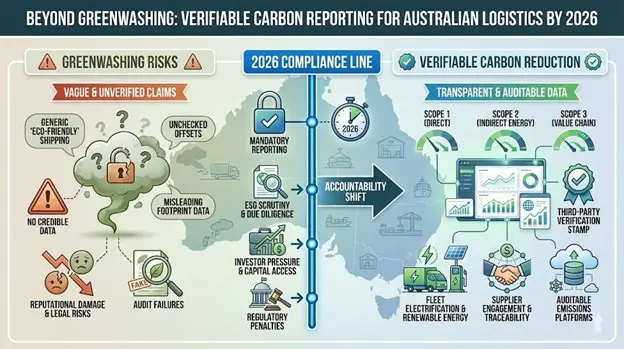
- Carbon footprint tracking – More companies are using data to measure and offset their environmental impact.
- Route optimisation for fuel efficiency – AI-powered logistics planning helps reduce unnecessary mileage and emissions.
Businesses that prioritise sustainability will not only meet regulatory requirements but also attract eco-conscious customers.
3. The Expansion of Real-Time Visibility
Modern logistics demands end-to-end transparency. Customers expect real-time tracking and instant updates on their shipments. The future of freight will see:
- Increased use of IoT sensors – Smart tracking devices provide granular shipment data, from location to temperature.
- Blockchain for supply chain security – Immutable digital records enhance trust and prevent fraud.
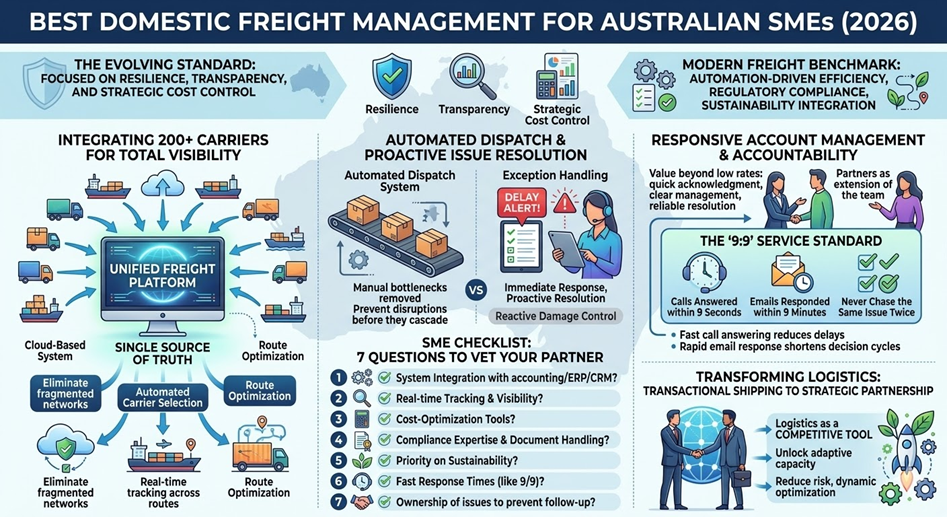
- Cloud-based transportation management systems (TMS) – Centralised platforms enable seamless coordination between carriers and shippers.
Companies that invest in real-time visibility tools will improve customer satisfaction and operational efficiency.
4. The Shift Toward On-Demand and Hyperlocal Delivery
E-commerce has reshaped delivery expectations, with same-day and even one-hour delivery becoming standard in some industries. Logistics companies are responding by:
- Expanding micro-fulfillment centres – Smaller, urban warehouses speed up last-mile delivery.
- Partnering with gig economy couriers – Flexible, on-demand drivers help businesses scale delivery capacity.
- Developing autonomous delivery solutions – Drones and self-driving vehicles are being tested for last-mile logistics.
Businesses that refine their last-mile strategies will remain competitive in the fast-paced e-commerce landscape.
5. The Evolution of Carrier Networks
Traditional carrier models are giving way to more flexible, multi-carrier strategies. Companies are diversifying their networks by:
- Using AI to match shipments with the best carriers – Smart systems optimise carrier selection based on price, speed, and reliability.
- Crowdsourced and decentralised delivery networks – Platforms like Uber Freight (do we mention this?) are reshaping how freight is moved.
- Improved carrier collaboration – Open communication and data sharing between shippers and carriers streamline logistics operations.
The future belongs to businesses that can adapt their carrier networks to be more agile, cost-effective, and resilient.
Conclusion
The future of freight is about leveraging technology, prioritizing sustainability, and enhancing visibility. Logistics companies that stay ahead of these trends will be better equipped to handle the evolving demands of the industry. By investing in automation, eco-friendly solutions, real-time tracking, and flexible carrier strategies, businesses can future-proof their operations and stay competitive in a rapidly changing world.