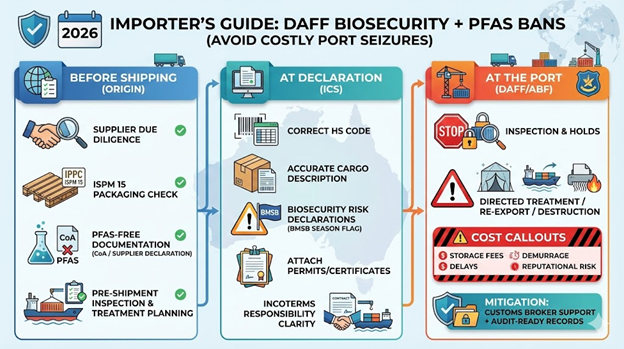
When it comes to global shipping, one small misunderstanding can lead to costly mistakes. That’s why Incoterms — short for International Commercial Terms — exist. Published by the International Chamber of Commerce (ICC), they define the responsibilities between buyers and sellers for transporting goods across borders.
From who pays for freight to who bears the risk at each stage, Incoterms provide a universal language that keeps international trade moving smoothly.
We ensure sure our clients understand these terms — because knowing exactly where responsibility shifts can mean the difference between a smooth delivery and an expensive delay.
What Are Incoterms?
Incoterms are three-letter codes that appear in contracts and shipping documents. Each term clarifies:
- Who arranges and pays for transport and insurance
- Who handles export and import customs
- When ownership and risk transfer from seller to buyer
The current version, Incoterms 2020, includes 11 terms — but there are also legacy terms from earlier editions (such as Incoterms 2000 and 2010) that are still in circulation or referenced in contracts.
Let’s break down all 20 of the most commonly discussed Incoterms, so you know exactly what they mean.
Active Incoterms
- EXW (Ex Works)
The seller makes goods available at their premises; the buyer handles everything else — loading, export, transport, and import.
Risk: Transfers at the seller’s warehouse.
Best for: Buyers with strong logistics experience. - FCA (Free Carrier)
The seller clears goods for export and delivers them to a carrier nominated by the buyer.
Risk: Transfers when the carrier takes possession. - CPT (Carriage Paid To)
The seller pays for transport to the destination but risk transfers to the buyer once the goods are handed to the carrier. - CIP (Carriage and Insurance Paid To)
Similar to CPT, but the seller also provides minimum insurance coverage during transit. - DAP (Delivered at Place)
The seller delivers goods to the agreed destination, ready for unloading. The buyer handles import customs and duties. - DPU (Delivered at Place Unloaded)
Introduced in Incoterms 2020, replacing DAT. The seller delivers and unloads goods at the named place. - DDP (Delivered Duty Paid)
The seller handles everything — export, freight, insurance, import clearance, and duties.
Risk: Transfers only after goods reach the buyer’s site. - FAS (Free Alongside Ship)
The seller places goods alongside the vessel at the port of shipment. The buyer takes over from there.
Used for: Sea freight. - FOB (Free on Board)
The seller loads goods onto the vessel; once aboard, risk transfers to the buyer.
Used for: Sea freight. - CFR (Cost and Freight)
The seller pays for sea transport to the destination port, but risk transfers as soon as the goods are loaded onto the ship. - CIF (Cost, Insurance and Freight)
Like CFR, but includes insurance cover for the buyer’s benefit during transport.
Legacy or Less Commonly Used Incoterms
While not part of the 2020 revision, these older terms still appear in contracts or industry discussions:
- DAT (Delivered at Terminal)
Replaced by DPU in 2020, it meant the seller delivered goods unloaded at a named terminal (port, airport, or depot). - DAF (Delivered at Frontier)
Used in earlier editions, where the seller delivered goods to a frontier before the border of the importing country. - DES (Delivered Ex Ship)
The seller delivered goods when the vessel arrived at the port, before unloading. - DEQ (Delivered Ex Quay)
The seller was responsible for delivering goods onto the quay (dock) at the port of destination. - DDU (Delivered Duty Unpaid)
Similar to DDP, but the buyer handled import duties. Often referenced in older contracts. - FOB Airport (Free on Board Airport)
A term once used for air freight, later replaced by FCA to avoid confusion. - FOT (Free on Truck)
An older road freight term, meaning the seller loaded goods onto the buyer’s vehicle or nominated carrier. - FOR (Free on Rail)
Used historically for rail shipments; replaced by FCA in most modern applications. - C&F (Cost and Freight)
An early version of CFR, still occasionally referenced by exporters and freight brokers.
Why Incoterms Matter
Choosing the right Incoterm isn’t just about paperwork — it’s about protecting your costs, compliance, and customer experience.
The wrong term can mean:
- Paying unexpected duties or port charges
- Being liable for damaged goods before you expected
- Shipment delays due to missing export or import documents
At Clique Logistics, we help clients navigate these details to ensure there are no hidden surprises. Our team interprets your supplier contracts, clarifies risks, and helps you choose the term that best fits your trade flow and business priorities.
Making Incoterms Work for You
If your team manages international shipments, make sure everyone understands these terms — from purchasing to finance to operations. Consistency prevents miscommunication and keeps your freight moving.
Because when everyone understands who’s responsible, global trade gets a whole lot simpler.