Building Resilient Chemical Supply Chains: Clique Logistics & Materia Scientia Partnership
At Clique Logistics, we’re proud to partner with organisations that share our commitment to safety, reliability, and continuous improvement. One of our newest partnerships is with Materia Scientia LLC, a global leader in sourcing and supplying specialty and regulated chemicals for industries including mining, agriculture, water treatment, and energy.
We recently sat down with Abhishek Chapanerkar (Abi), Founder of Materia Scientia, to talk about how this collaboration is strengthening supply chain resilience and setting a new benchmark for compliance and transparency across Australasia.
1. Tell us a bit about Materia Scientia LLC and the role you play in the chemical supply chain.
We specialise in sourcing and supplying specialty and regulated chemicals globally. Our focus is compliance and reliability, making sure that our customers can access the materials they need without disruptions or risks.
2. What led you to select Clique Logistics as your strategic partner in Australasia?
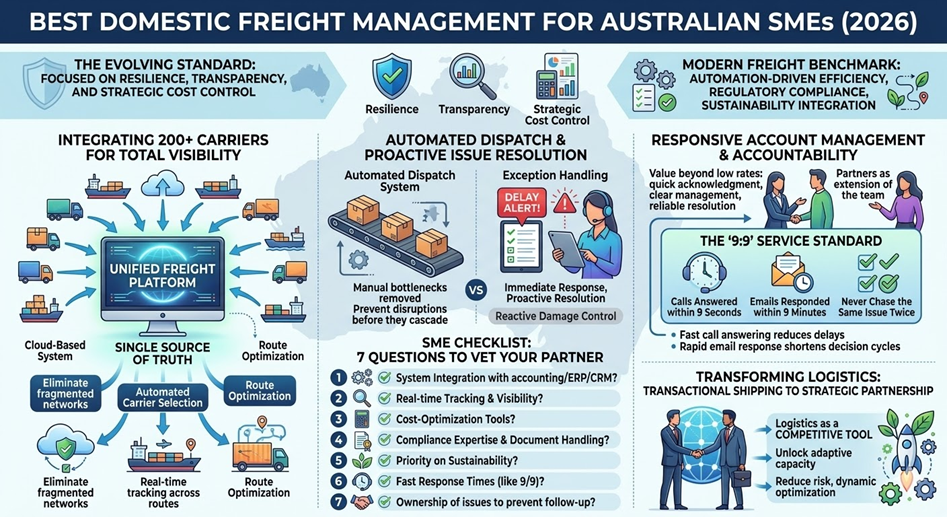
We needed a partner that not only understands logistics but also has the systems, compliance mindset, and flexibility to handle complex freight. Clique stood out because of their reputation for reliability, their “9.9.Never” service promise, and their proven ability to manage specialised freight safely and efficiently.
3. How would you describe the strengths that Clique brings to this partnership?
Clique combines local expertise with global reach. Their technology, tracking systems, and customer-first approach give us the confidence that our supply chains will be seamless end-to-end.
4. What benefits do you believe your customers will see from this partnership?
Faster delivery times, higher compliance standards, and full transparency across the supply chain. Customers can also expect a simplified experience with one point of contact for both sourcing and logistics.
5. Supply chain resilience has been a big talking point globally. How does this partnership improve resilience for chemical supply chains in Australasia?
By combining our expertise with Clique’s logistics networks, we’ve built in more flexibility and reliability. Customers know they can count on us to navigate challenges — whether regulatory, operational, or market-driven.
6. Technology and transparency are often critical in chemical logistics. How do you and Clique approach this?
Technology underpins everything. Clique’s real-time tracking and reporting systems give customers visibility from dispatch through to delivery, while our compliance processes ensure every step meets regulatory standards. Together, this creates true end-to-end transparency.
7. Which industries will benefit most from this partnership?
Mining, agriculture, water treatment, and energy are obvious ones, but really any industry that requires specialty chemicals handled to strict standards will benefit. Even smaller regional businesses now have access to world-class supply chain solutions.
Looking Ahead
Both teams are excited about the future. Materia Scientia is expanding its footprint across Australasia while continuing to grow its global sourcing network. With Clique’s support, Abhi sees long-term opportunities to innovate and set new standards for safe, efficient, and customer-focused chemical supply chains.
At Clique, we couldn’t agree more. This partnership represents exactly what we strive for — building strong, trusted relationships that deliver real value and make a difference in how industries move forward.