Transport management systems promise efficiency, visibility and control. But no system, on its own, can manage freight.
MachShip is a powerful platform, and Clique uses it extensively — but always with a clear understanding of its role. MachShip enables decisions; it doesn’t replace them.
Too often, systems are implemented as reporting tools. Data is collected, dashboards are built, and performance is reviewed after outcomes are already locked in. That’s not control — that’s commentary.
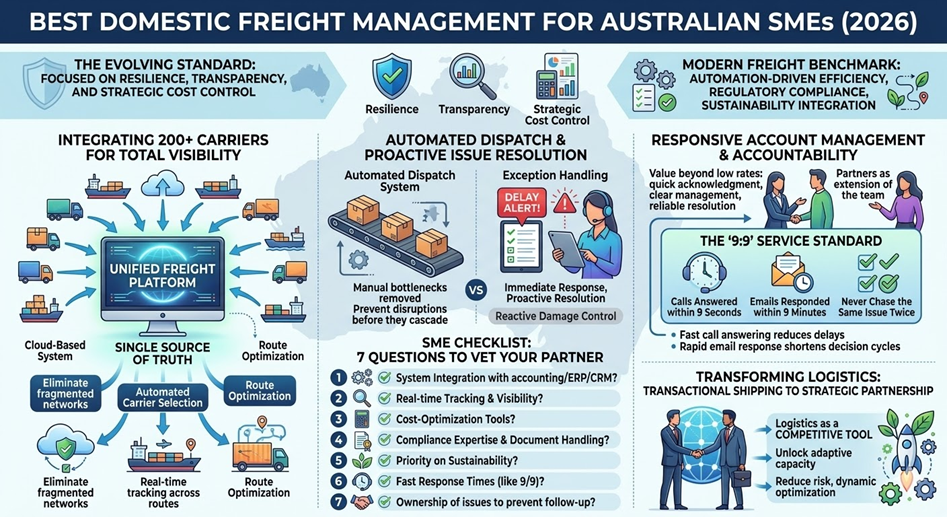
Clique configures MachShip to reflect how freight should move. Carrier rules, service logic and exception workflows are aligned to business priorities. This ensures the system supports proactive management rather than passive observation.
The real value comes when data triggers action. Late pickups flagged early. Carrier performance trends identified by lane. Service mismatches exposed before customer impact.
Human ownership sits on top of the system. Account managers and operations teams interpret the data, challenge assumptions and make informed adjustments. This human layer is critical, because freight decisions are rarely binary. Weather events, capacity shifts and operational constraints require judgement, not automation.
MachShip provides the insight. Clique provides the judgement.
That combination allows freight setups to evolve as conditions change, rather than becoming rigid or outdated. The system supports consistency, while people ensure relevance.
When technology and ownership work together, freight becomes predictable — even in imperfect conditions. That’s where real operational value is created.