The world is smaller than ever in this global economy— but shipping across it is still full of challenges. For Australian businesses expanding overseas, the opportunities are enormous, yet many stumble over avoidable logistics pitfalls. From missed documentation to poor carrier choices, global freight requires precision, planning, and partners who know the terrain.
At Clique Logistics, we’ve helped countless businesses avoid costly international shipping mistakes. Here are the top 10 most common missteps Australian companies make — and how to avoid them.
1. Underestimating Customs Complexity
International customs regulations can be a minefield. Each country has its own documentation, tax codes, and import restrictions — and one wrong entry can delay goods for weeks. Many businesses assume the process is straightforward, but even minor errors on invoices or tariff codes can lead to hefty penalties.
Solution: Partner with experts who understand international trade documentation and compliance. Our team ensures your paperwork is precise, compliant, and ready for customs clearance the first time.
2. Choosing the Wrong Incoterms
Incoterms (International Commercial Terms) define who’s responsible for shipping costs, insurance, and risk. Choosing the wrong one can shift financial and legal responsibility onto your business unexpectedly.
Solution: Before signing any contracts, understand your Incoterms — whether it’s FOB, CIF, DDP, or EXW — and how they affect your shipping obligations. Clique’s logistics specialists can help you choose the right one for your business.
3. Ignoring Tariffs and Trade Agreements
With shifting global politics and trade agreements (like those between Australia and ASEAN, Japan, or the EU), tariff rates can change rapidly. Many businesses don’t take advantage of preferential tariffs or free trade zones — costing them unnecessary expenses.
Solution: Stay updated on international trade agreements and apply the correct tariff codes. Clique Logistics’ global freight team helps identify opportunities to reduce duties and fees wherever possible.
4. Poor Packaging for Long-Distance Freight
What survives a domestic journey might not withstand the rigours of international transport. Improper packaging can lead to damage, especially when goods are transferred between multiple carriers or climates.
Solution: Invest in export-grade packaging, labelling, and moisture protection. Our team can advise on packaging standards based on product type, destination, and freight mode.
5. Not Considering the Best Freight Mode
Choosing between air, sea, or consolidated freight isn’t just about cost — it’s about timing, reliability, and cargo type. Many businesses default to the cheapest option, only to find it compromises customer experience.
Solution: Balance speed and value. Clique provides data-driven recommendations for the most efficient mode, ensuring your freight meets deadlines without blowing your budget.
6. Overlooking Insurance
Global shipping involves multiple touchpoints — and multiple risks. Yet many businesses skip or underinsure their cargo, assuming the carrier will cover damages or loss.
Solution: Always secure comprehensive freight insurance. Through our partnership with FreightInsure, Clique provides tailored coverage to protect your cargo from departure to delivery.
7. Poor Communication Between Partners
Freight forwarders, carriers, customs brokers, and clients often operate in silos. Without clear communication, vital updates get lost, leading to missed cut-offs, untracked shipments, or duplicated costs.
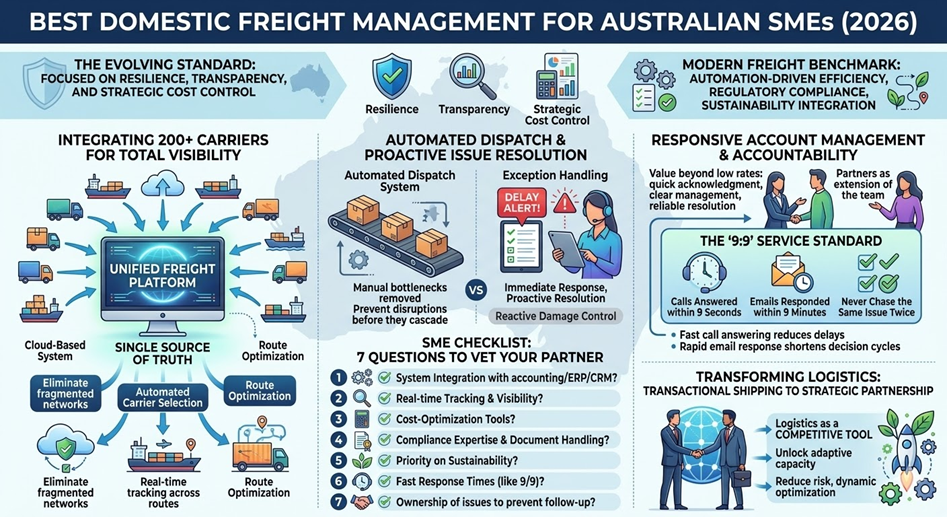
Solution: Centralise communication through a single point of contact. Clique Logistics offers dedicated account management and the 9:9 Never Promise — meaning we answer calls within 9 seconds and emails within 9 minutes, ensuring you’re always in the loop.
8. Failing to Plan for Peak Seasons
Christmas, Lunar New Year, and other peak seasons cause predictable global congestion. Businesses that don’t plan ahead often face skyrocketing freight costs and shipment delays.
Solution: Forecast demand early and secure space well in advance. Clique’s proactive account management team helps clients plan shipments around seasonal surges to keep freight moving smoothly.
9. Ignoring Local Market Nuances
Every destination market has its own logistics quirks — from restricted delivery zones to unique import duties or packaging rules. Businesses that assume “one size fits all” often face expensive surprises.
Solution: Work with a logistics partner who knows the global market but tailors solutions locally. Clique’s network and experience across multiple regions ensure you meet every country’s unique requirements.
10. Focusing Only on Cost
Perhaps the biggest mistake of all — chasing the cheapest rates without considering service reliability. Low-cost carriers may save you money upfront but cost you reputation, customers, and long-term profit through poor service and hidden fees.
Solution: Think value, not just cost. Clique Logistics focuses on total supply chain efficiency, continuous improvement, and proactive problem-solving — ensuring your logistics spend delivers genuine results.
International shipping doesn’t have to be a guessing game. With the right planning, partnerships, and attention to detail, Australian businesses can expand globally with confidence.
We help our clients navigate global trade seamlessly — backed by real-time tracking, the Clique Travel Guarantee, and our relentless focus on reliability.
Avoid mistakes. Protect your reputation. Ship smarter with Clique.