Freight management is often described as coordination, booking, tracking and reporting. In reality, that’s the easy part.
What separates effective freight management from noise is ownership — who steps in when freight doesn’t behave the way the plan said it would.
At Clique, freight management means taking responsibility for the entire movement, not just the transaction. From dispatch decisions to carrier performance, exception handling and customer impact, the focus is on keeping freight predictable and controlled, even when conditions change.
Many businesses discover the cracks in their freight setup only when pressure hits. Peak season, labour shortages, weather events or supplier delays expose systems that were never designed to cope with disruption. Suddenly, freight becomes reactive. Teams spend more time chasing updates than running operations.
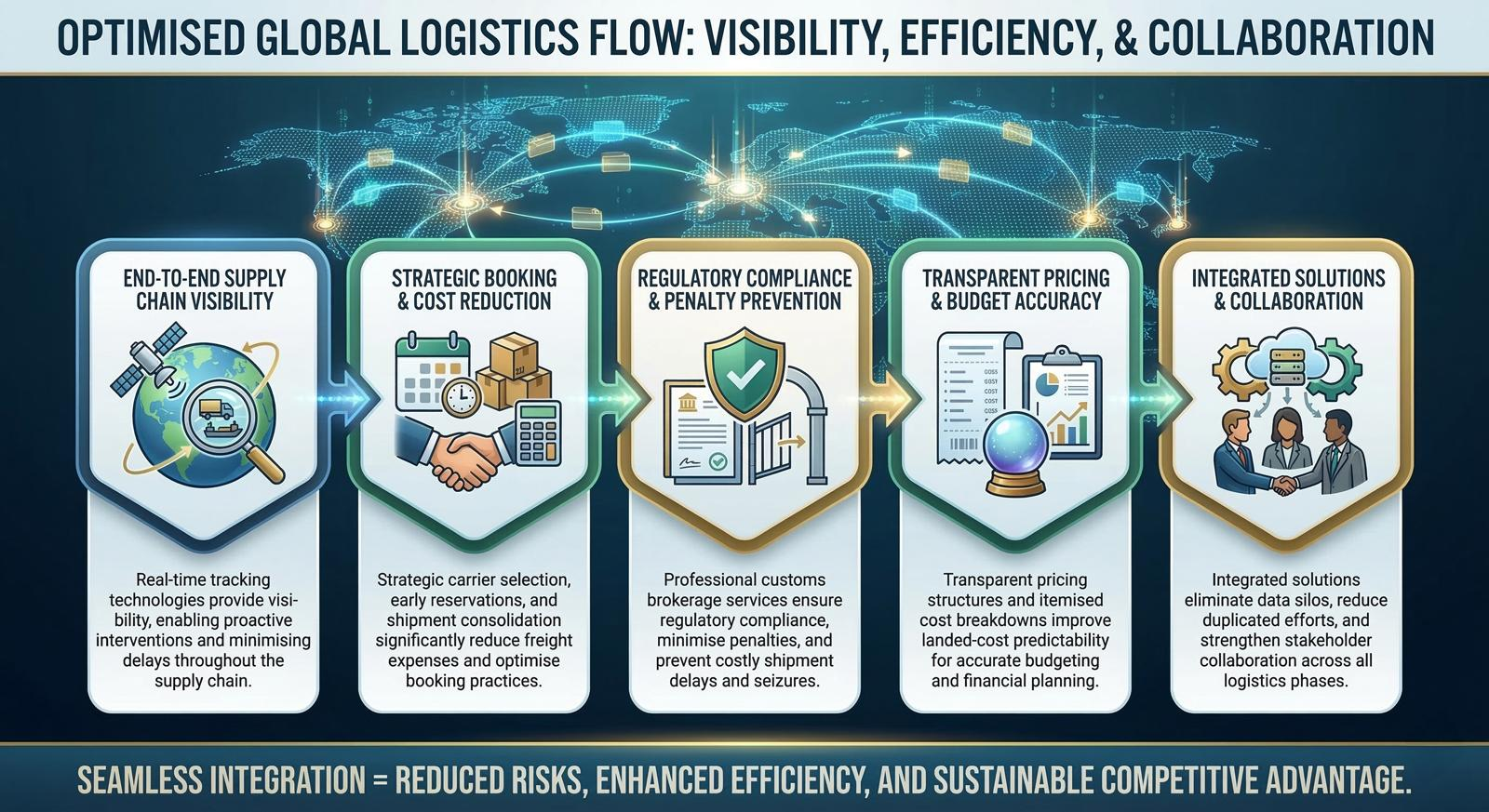
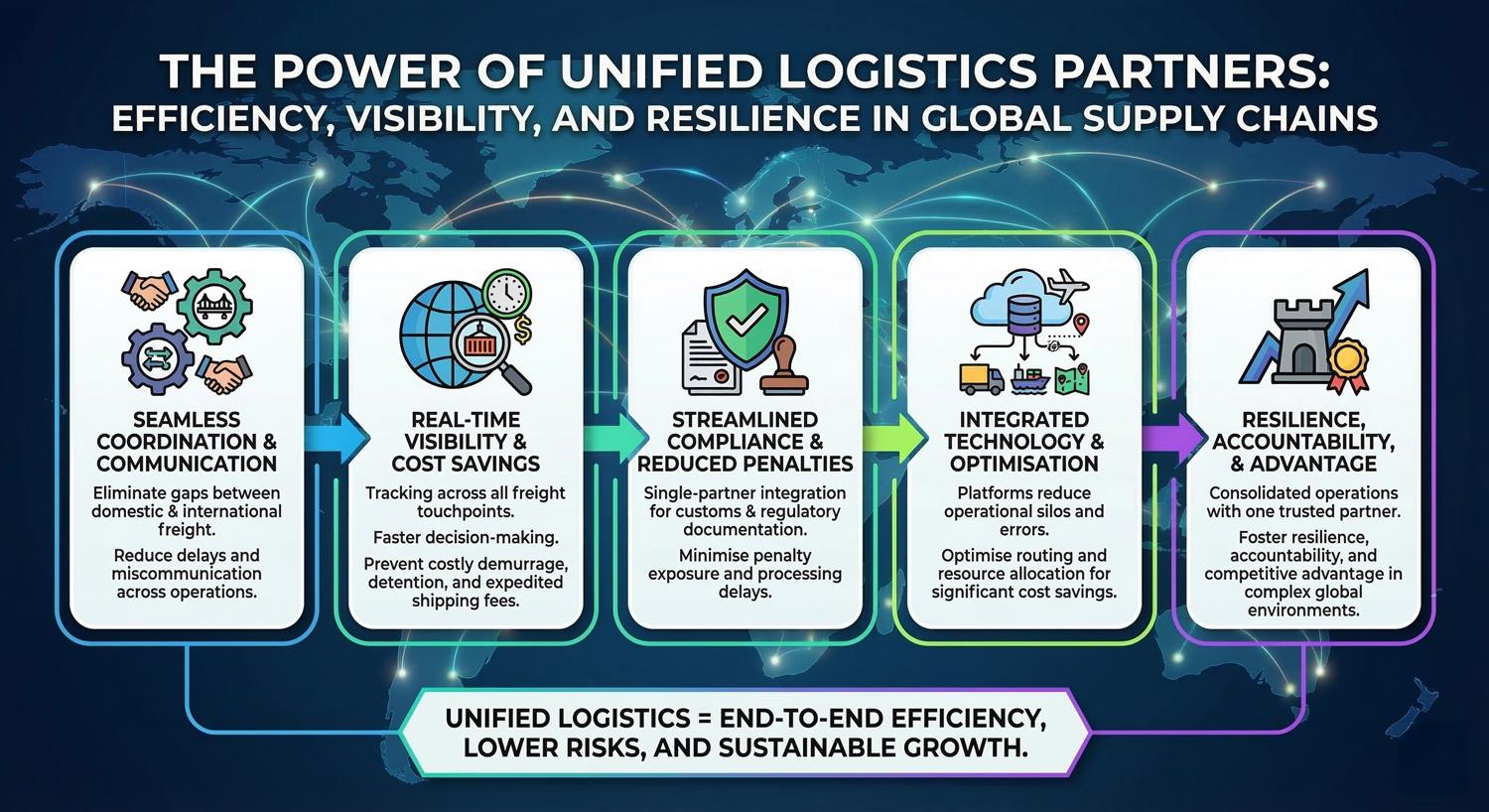
Strong freight management removes that friction. It aligns service levels to what the freight actually needs, ensures carriers are managed against clear expectations, and uses data to intervene early — before a missed delivery becomes a customer problem.
This approach applies across domestic freight management and broader supply chains. Whether freight is moving within a metro lane or across states, the same principles apply: clarity, accountability and decision-making backed by real information.
Account management plays a critical role here, but not in the traditional sense. It’s not about monthly catch-ups or dashboards for show. It’s about having someone who understands your freight profile deeply enough to challenge decisions, flag risks early and continuously refine how freight is moving.
Partnership matters because freight doesn’t sit still. Volumes change. Customer expectations evolve.What worked six months ago may quietly become inefficient or misaligned. Without active management, those gaps widen. Freight management done properly doesn’t promise perfection. It promises control, visibility, and a team that owns outcomes when things don’t go to plan.
That’s where real value sits.