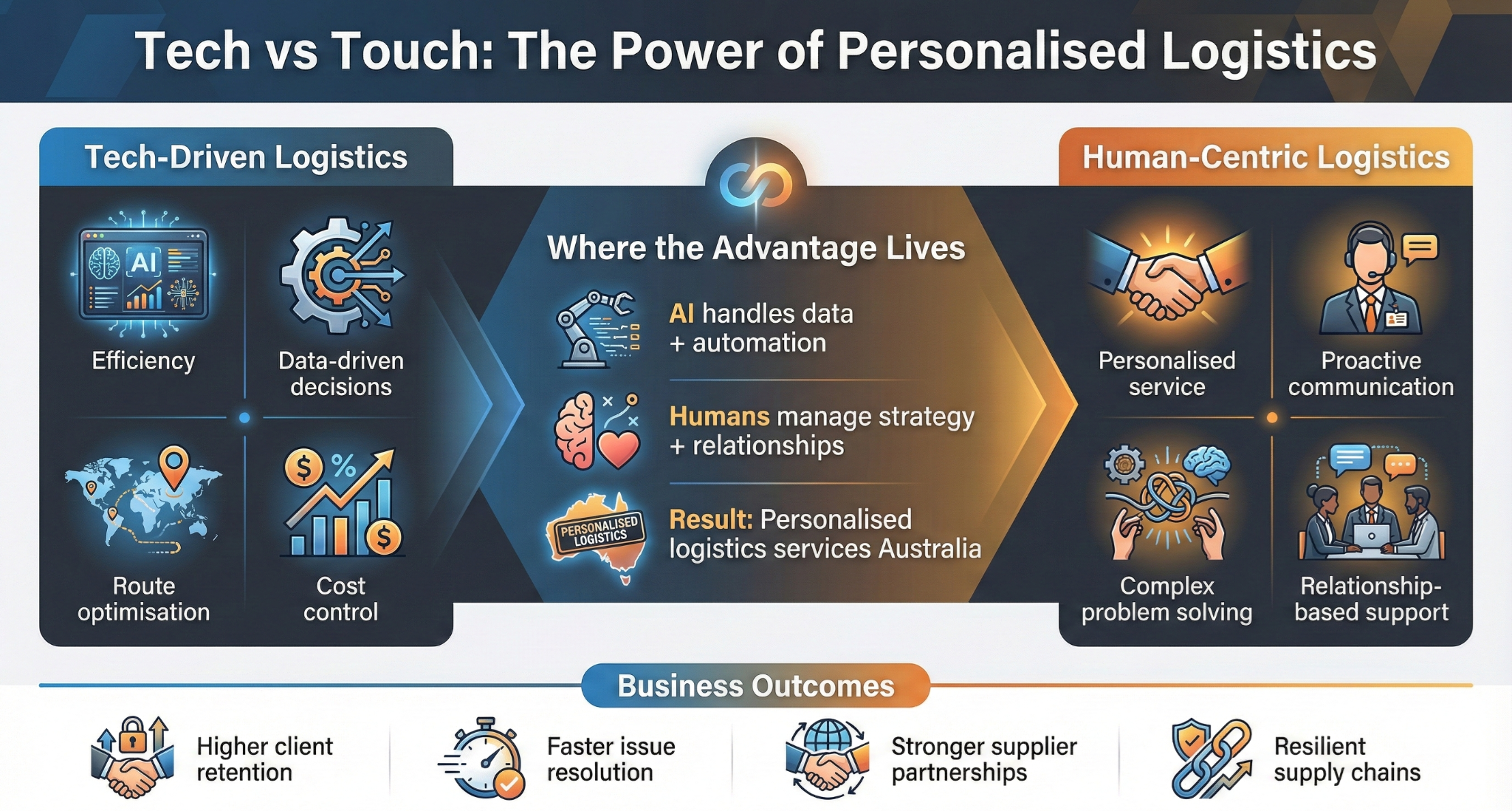
The relentless march of digital transformation has ushered in an era of unprecedented efficiency. Automation and Artificial Intelligence (AI) are reshaping industries, optimising processes, and promising a future of seamless operations. Yet, amidst this technological marvel, a fundamental question arises: what happens to the indispensable human element? As we increasingly rely on algorithms to guide our decisions and interactions, we must also acknowledge the profound, and often underestimated, power of human relationships. This article explores the delicate balance between technological advancement and human connection, arguing that true success in the digital age hinges not on replacing humans with machines but on augmenting human capabilities and prioritising the innate need for genuine interaction.
The Digital Paradox: Efficiency, Automation, and the Lingering Human Gap
The allure of the digital world is undeniable. It promises speed, precision, and scalability that were once unimaginable. However, this rapid embrace of technology has created a paradox: while we gain efficiency, we risk losing the very qualities that foster deep connection, trust, and resilience.
The Irresistible Pull of the Digital World: How Automation and Artificial Intelligence Drive Efficiency
Automation and Artificial Intelligence have become the engines of modern business, driving significant improvements in operational efficiency. From optimizing Supply Chain logistics to streamlining Customer Service interactions, AI-powered systems can process vast amounts of data, identify patterns, and execute tasks with speed and accuracy. Analytics dashboards provide real-time insights, enabling quicker decision-making and more effective resource allocation. This technological infusion is central to the ongoing digital transformation, allowing organisations to scale operations, reduce costs, and respond with agility to market demands. The ability of AI to manage complex loads and predict potential supply chain disruptions offers a significant advantage in an increasingly volatile global landscape.
The Rise of Generative AI and AI Assistants: Shifting the Landscape of Work and Interaction
The advent of Generative AI and sophisticated AI Assistants has further accelerated this shift. These tools can now draft communications, summarise documents, and even generate creative content, blurring the lines between human and machine output. In customer-facing roles, AI assistants can handle routine queries, freeing up human agents to address more complex issues. Similarly, in internal operations, these tools can automate administrative tasks, potentially improving the Employee Experience by reducing mundane workloads. This evolution presents a powerful opportunity to enhance productivity and redefine how work is performed and how interactions are managed.
The Inherent Limitations of Algorithms: Where AI Capabilities Fall Short in Nuance, Empathy, and Complex Decision-Making
Despite their remarkable capabilities, AI has inherent limitations. Algorithms, by their very nature, operate on logic and data. They struggle with the nuanced understanding, subjective interpretation, and genuine empathy that are cornerstones of human interaction. While AI can analyse sentiment in text, it cannot truly grasp the underlying emotions or provide the comfort and reassurance a human can offer. Complex decision-making often requires a blend of data, intuition, ethical considerations, and contextual awareness that current AI systems do not possess. This is particularly true in situations demanding foresight, creativity, or a deep understanding of human motivations, areas where human judgment remains paramount.
The Cost of Over-Automation: Understanding AI Fatigue and Customer Frustration
The drive for efficiency can sometimes lead to over-automation, resulting in negative consequences such as AI fatigue and Customer Frustration. When customers are funnelled through automated systems that fail to address their unique needs, the result is often dissatisfaction and a perception of being devalued. Similarly, employees can experience fatigue when repetitive, depersonalised tasks replace meaningful human interaction. While 75% of consumers prefer talking to actual humans for customer service, relying too heavily on automated solutions can alienate them. This friction underscores a critical truth: technology should augment, not alienate, and the pursuit of efficiency must not come at the expense of human connection.
The Innate Need for Connection: Why Our Brains Still Crave Human Interaction
Our reliance on technology may be growing, but our fundamental biological need for human connection remains deeply ingrained. Understanding this intrinsic drive is crucial for navigating the digital landscape effectively.
Our Biological Imperative for Human Connection: Introducing Polyvagal Theory and the Science of Safety and Belonging
The science behind our need for connection is profound. Polyvagal Theory, for instance, explains how our nervous system constantly assesses safety and threat, with social engagement being a key pathway to regulation and well-being. Our brains are wired to seek connection, finding solace and security in genuine interactions. This biological imperative for human connection influences everything from our mental health to our ability to form lasting bonds. When these needs are unmet, it can lead to feelings of isolation and disengagement, impacting both individuals and organisations. The pursuit of Personal Connections is not merely a preference; it is a biological necessity for a thriving existence.
Beyond Data Points: Insights from Social Neuroscience and Behavioural Psychology on the Trust Game and Genuine Interaction
Social neuroscience andbehaviourall psychology offer further insights into why human interaction is irreplaceable. Studies on the Trust Game, a fundamental economic experiment, reveal that humans are willing to take risks and invest in others based on perceived trustworthiness, a quality largely absent in algorithmic interactions. Genuine interaction involves non-verbal cues, shared experiences, and mutual understanding that analytics alone cannot capture. These disciplines highlight how our brains are uniquely equipped to navigate complex social dynamics, build rapport, and forge bonds that go beyond mere transactional exchanges.
The Unique Value of Personal Connections: Intuition, Creativity, and Contextual Understanding. Algorithms Can’t Replicate
Personal Connections offer a distinct advantage that algorithms cannot replicate. Human intuition, the ability to make judgments based on experience and subconscious pattern recognition, is invaluable in ambiguous situations. Creativity flourishes in environments of collaboration and open dialogue, fueled by diverse human perspectives. Furthermore, humans possess a remarkable capacity for contextual understanding – grasping the unspoken, interpreting subtle cues, and adapting to unique circumstances. While AI capabilities excel at processing known variables, they fall short when faced with the unpredictable and the deeply personal, areas where human insight and emotional intelligence are indispensable.
Building and Sustaining Trust in an Increasingly Automated Landscape
In a world awash with data and driven by efficiency, trust emerges as the most valuable currency. It is the bedrock upon which enduring relationships, both personal and professional, are built and sustained.
Trust as the Bedrock: How Human Interactions Form the Foundation of Lasting Relationships
Trust is not an outcome of technology; it is a prerequisite for meaningful relationships. In the realm of business, this applies to Customer Service, Employee Experience, and supplier relationships. When customers trust a brand, they exhibit greater Customer Loyalty. When employees trust their leaders, they are more engaged and productive, with employees with high well-being being 3 times more likely to intend to stay with their employer. Similarly, strong supplier relationships, built on mutual trust, are crucial for navigating supply chain disruptions and ensuring resilience. Human interactions, characterised by honesty, reliability, and transparency, are the primary architects of this essential trust.
Moments of Truth: Identifying Critical Junctures Where Human Intervention is Paramount in Customer Service Interactions
Within Customer Service interactions, there are often “Moments of Truth” – critical junctures where the quality of human intervention can define the customer’s perception of a brand. While AI can handle initial inquiries or provide basic information, complex issues, sensitive complaints, or situations requiring genuine empathy are best managed by human agents. These moments are opportunities to demonstrate a commitment to customer satisfaction, resolve problems effectively, and reinforce trust. Over-reliance on automation during these critical junctures can lead to increased Customer Frustration and damage Customer Loyalty.
Cultivating Empathy and Emotional Intelligence: Essential Human Qualities for Navigating Complexity and Fostering Customer Loyalty
Empathy and emotional intelligence are not just soft skills; they are critical competencies for navigating complexity and fostering Customer Loyalty. The ability to understand and share the feelings of another allows human agents to connect with customers on a deeper level, offering tailored solutions and demonstrating genuine care. This human touch, particularly in moments of distress or frustration, can transform a negative experience into a positive one, solidifying trust and encouraging repeat business. As the SAP Emarsys Customer Loyalty Index 2024 indicates, true loyalty, reflecting a deep, emotional connection to a brand, increased from 27% in 2021 to 34% in 2024. This shift underscores the growing importance of authentic human connections in building lasting relationships.
AI assistants can triage and automate routine work, freeing up human employees to focus on complex, high-value tasks that require empathy and critical thinking.
Human-Centricity in Action: Enhancing Experiences Across All Digital Divides
Embracing a human-centric approach means placing people at the heart of every strategy, ensuring that technology serves human needs rather than dictating them. This philosophy extends across all facets of an organisation, from customer interactions to internal operations and supply chain management.
Reimagining Customer Experience (CX):
A human-centric approach to Customer Experience (CX) means designing interactions that are not only efficient but also empathetic and personalised. This involves leveraging analytics to understand customer needs and preferences, then using that information to empower human agents to deliver exceptional service. It means ensuring that Customer Expectations for personalised support are met, fostering genuine human connection even in a digital environment. By prioritising trust and understanding, businesses can move beyond transactional relationships to build lasting Customer Loyalty.
Elevating the Employee Experience (EX):
A positive Employee Experience (EX) is foundational to excellent customer service and overall organisational success. A human-centric EX fosters a culture of trust, empathy, and belonging. This involves creating supportive work environments, providing opportunities for meaningful Personal Connections, and ensuring that technology enhances, rather than detracts from, the human element. Only 55% of workers at a typical UK workplace reported a high state of well-being at work in 2024, highlighting a significant opportunity to improve well-being through human-centric practices. This focus on employee well-being directly correlates with retention and loyalty.
Strengthening Supplier Relationships and Supply Chain Resilience:
In the context of Supply Chain management, human-centricity translates to nurturing strong supplier relationships. Beyond contractual obligations, building trust and fostering open communication allows for greater collaboration and resilience. During supply chain disruptions, these established relationships enable quicker problem-solving and more agile responses to unforeseen challenges. Human oversight and judgment remain critical for navigating the complexities of global logistics, ensuring that even highly automated systems are guided by human expertise and strategic decision-making.
Leadership in the Digital Transformation Era:
Effective leadership is paramount in navigating digital transformation through a human-centric lens. Leaders must champion the integration of technology with human capabilities, fostering a culture where empathy, emotional intelligence, and trust are valued. This involves encouraging open dialogue, demonstrating authenticity, and ensuring that the pursuit of efficiency does not overshadow the importance of human well-being and human connection. Leaders who successfully balance technological advancement with human needs will drive innovation and build organisations capable of long-term, sustainable success.
Strategies for Integrating Human and Digital Strengths for Optimal Impact
The future of business success lies not in choosing between human ingenuity and technological prowess, but in strategically integrating both. This requires a deliberate approach to design, empowerment, and skill development.
Designing for Human-in-the-Loop: Ensuring Human Oversight and Expert Judgment Where it Matters Most
A key strategy is to design systems with a human-in-the-loop approach. This ensures that critical decisions and complex processes involve human oversight and expert judgment, even when supported by AI capabilities. In areas like Customer Service, this means AI assistants can handle routine tasks, but complex escalations or sensitive issues are seamlessly passed to human agents. This hybrid model leverages AI for efficiency while retaining the nuanced understanding and empathy that only humans can provide, thereby enhancing Customer Experience.
Empowering Human Agents: Providing Agent Enablement with Intelligent Support Systems and Workflow Prompts
To maximise the impact of human professionals, organisations must focus on agent enablement. This involves equipping human agents with intelligent support systems and workflow prompts that leverage AI to provide them with relevant information and guidance. For instance, sales reps spend 60% of their time on non-selling tasks, indicating that AI can free them to focus on relationship-building. By automating administrative burdens and providing real-time insights, technology empowers agents to dedicate more time to high-value activities, such as building Personal Connections and deepening trust with customers.
Cultivating Core Human Skills: Investing in Training for Empathy, Active Listening, and Complex Problem-Solving
As technology takes on more routine tasks, investing in core human skills becomes even more critical. Organisations should prioritise training in empathy, active listening, and complex problem-solving. These abilities are essential for navigating multifaceted challenges, fostering strong relationships, and providing the deeply human element that distinguishes exceptional service. Such investment not only enhances individual capabilities but also strengthens organisational culture, creating a more adaptive and resilient workforce capable of responding to evolving Customer Expectations.
Strategic Application of Personal Connections: Identifying When and Where Direct Human Interaction Adds the Most Value
Finally, organisations must strategically identify when and where direct Personal Connections add the most value. This involves understanding that not all interactions require a human touch, but those that do – particularly those involving complex needs, sensitive issues, or relationship-building opportunities – should be prioritised. By mapping customer journeys and internal workflows, businesses can pinpoint these critical junctures where investing in human interaction yields the greatest return in terms of Customer Loyalty, Employee Experience, and overall trust.
The Future is Hybrid: Augmenting Humanity, Not Replacing It
The trajectory of technological advancement points towards a future where human and digital capabilities are not in opposition, but in a synergistic partnership. This hybrid model offers a pathway to enhanced performance, deeper satisfaction, and sustainable growth.
A Synergistic Ecosystem: Embracing a Human-Centric Future Where Technology Magnifies Our Strengths
The future is one of a synergistic ecosystem where technology magnifies human strengths. A human-centric approach ensures that Artificial Intelligence and automation are tools that augment our innate abilities, rather than replacements for them. By automating repetitive tasks and providing data-driven insights, technology frees humans to focus on creativity, critical thinking, empathy, and building genuine human connections. This creates a more dynamic and fulfilling work environment for employees and more meaningful experiences for customers, ultimately driving greater value for all stakeholders.
The Enduring Competitive Advantage of Humanity: Differentiating Through Genuine Trust, Empathy, and Human Connection
In an increasingly commoditised digital landscape, the enduring competitive advantage lies in humanity itself. Genuine trust, authentic empathy, and deep human connection are qualities that algorithms cannot replicate and that customers increasingly seek. As the SAP Emarsys Customer Loyalty Index 2024 shows, true loyalty, reflecting a deep, emotional connection to a brand, has been on the rise. Organisations that prioritise these human elements will differentiate themselves, fostering stronger relationships, greater loyalty, and a more resilient brand.
A Call to Action: Prioritising the Human Element in Every Digital Transformation Journey for Sustainable Success
The path forward requires a conscious and deliberate choice to prioritise the human element in every digital transformation journey. This is not about resisting technological progress, but about guiding it with a human-centric vision. Organisations must invest in cultivating core human skills, design systems that foster collaboration between humans and AI, and continuously reinforce the values of trust, empathy, and human connection. By doing so, they can harness the power of technology to amplify our humanity, driving sustainable success and creating a future where both efficiency and genuine human relationships thrive.
Conclusion
The digital revolution has undeniably transformed how we work, communicate, and conduct business. While automation and Artificial Intelligence offer unparalleled efficiencies, they highlight a crucial truth: the enduring power of human relationships remains indispensable. From building trust and fostering Customer Loyalty to navigating supply chain disruptions and enhancing the Employee Experience, a genuine human connection provides a competitive edge that technology alone cannot match. By embracing a human-centric philosophy, leaders can strategically integrate human and digital strengths, ensuring that digital transformation leads to augmentation rather than replacement. Investing in empathy, emotional intelligence, and Personal Connections is not merely a matter of good practice; it is the foundation for sustainable success and a future where technology truly serves humanity.