Best practice in international freight forwarding has shifted significantly over the past few years. What worked in stable conditions no longer holds up under volatility.
In 2026, best practice starts with risk awareness. Understanding where risk sits — supplier reliability, port congestion, seasonal capacity pressure and documentation complexity — allows forwarders to plan rather than react.
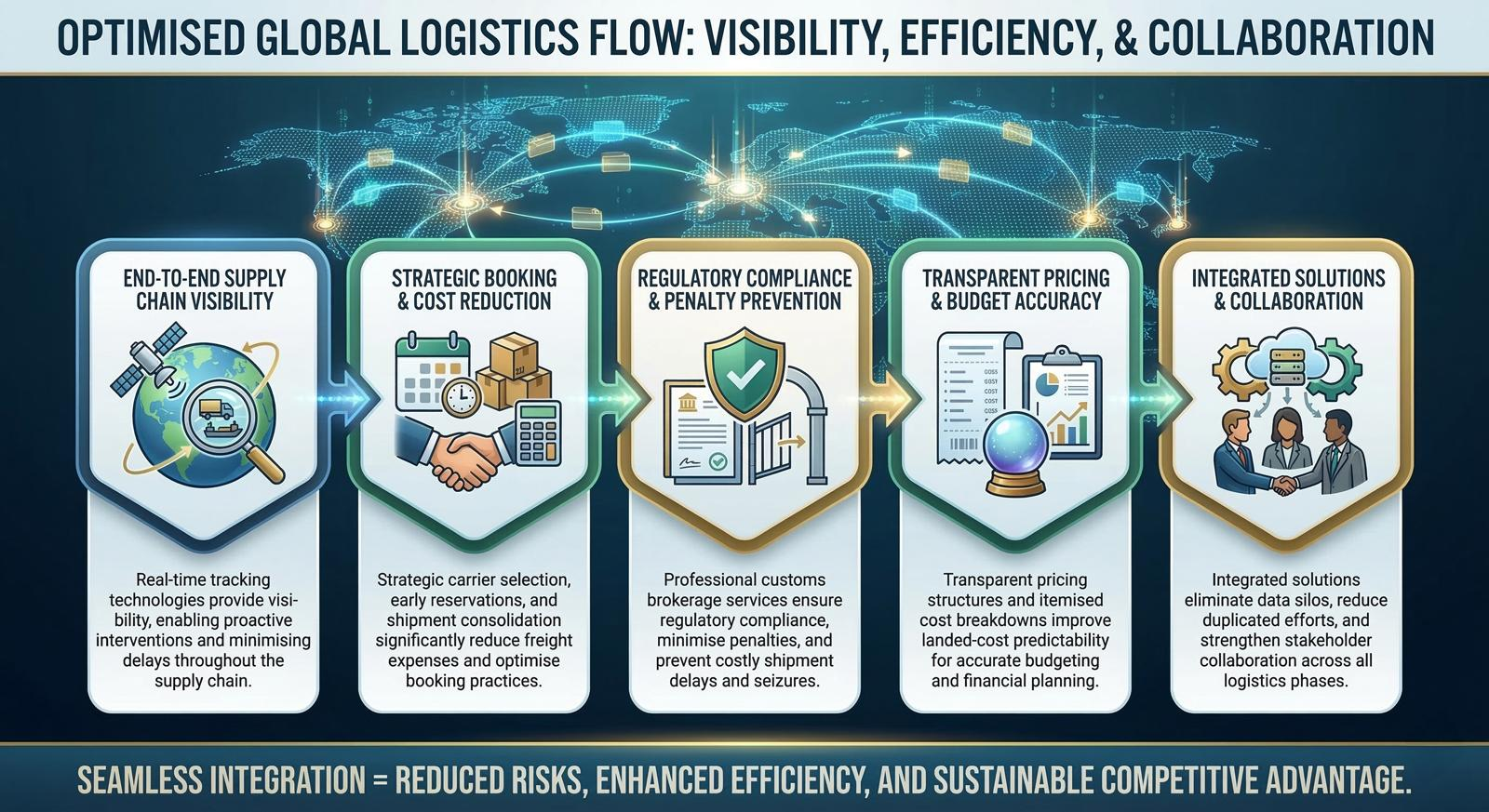
Clear documentation standards are foundational. Errors here don’t just slow freight; they create compliance, safety and operational exposure. Best-practice forwarders invest time upfront to get this right.
Another hallmark of best practice is proactive communication. Customers shouldn’t hear about delays after they’ve already impacted operations. Forwarders should communicate risk early, even when outcomes aren’t fully known.
Visibility must also be purposeful. Dashboards alone don’t improve outcomes. Best practice means using data to drive decisions — adjusting routings, changing service levels or escalating issues before they affect downstream commitments.
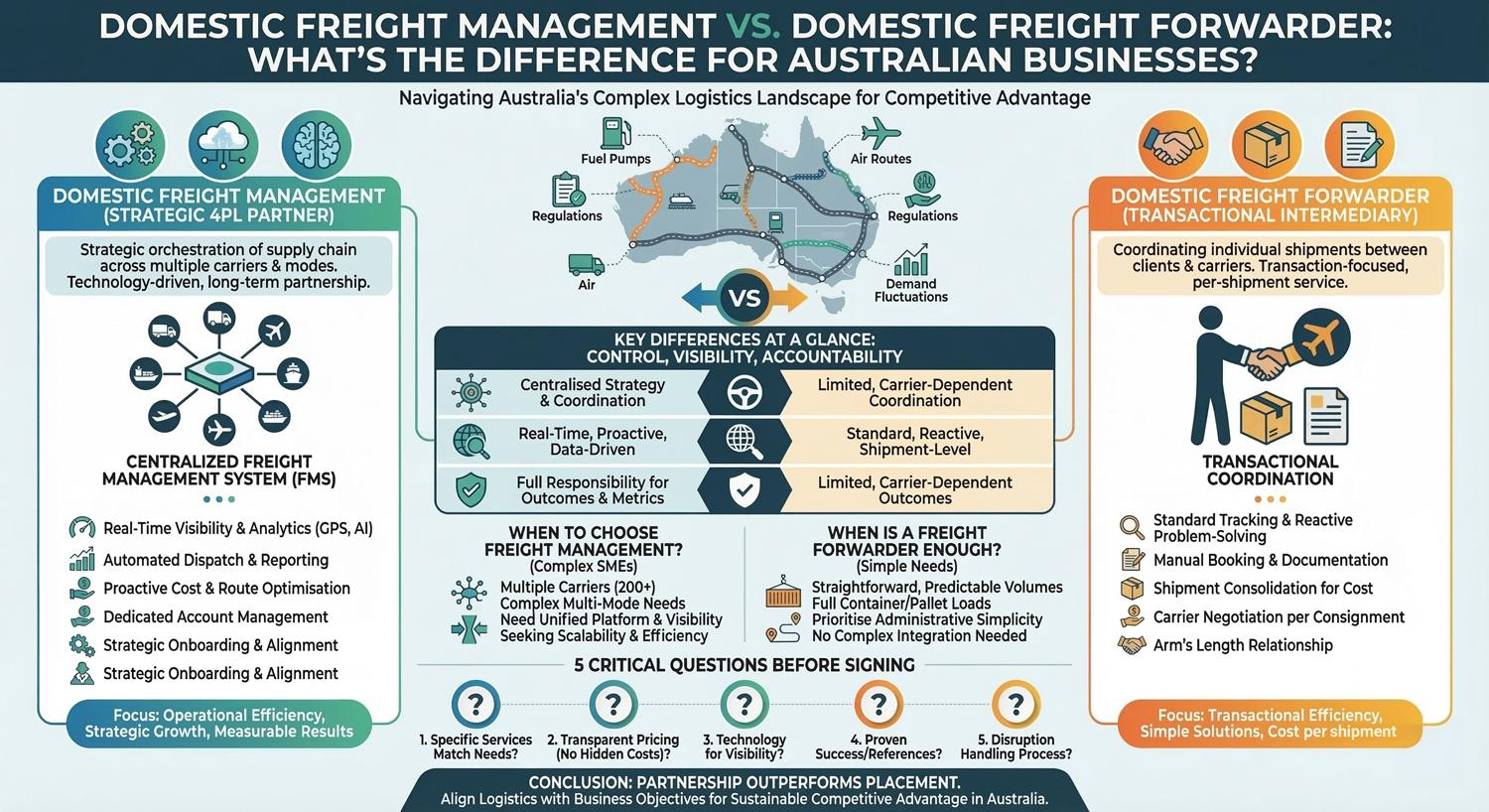
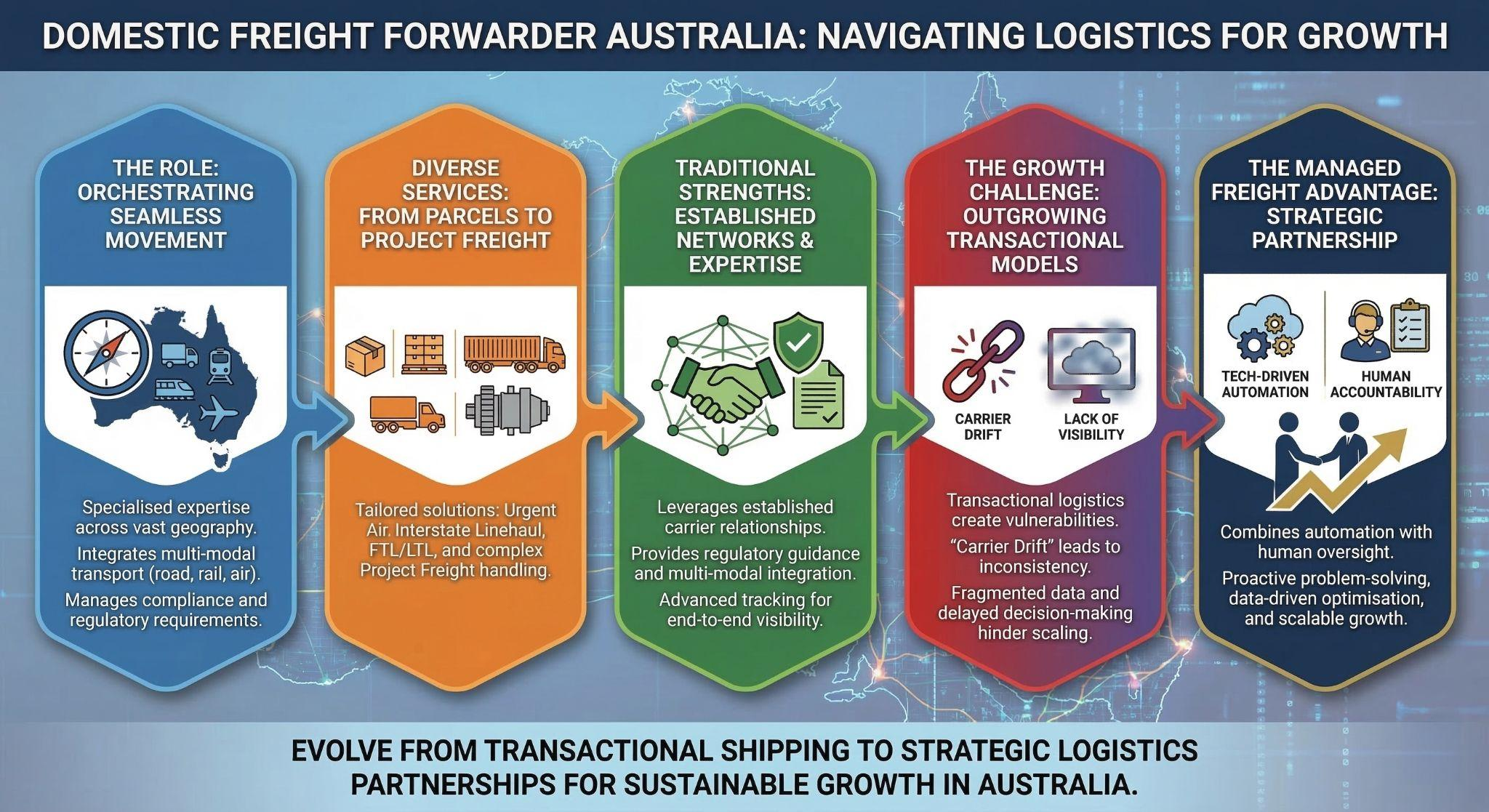
Integration with domestic freight is also essential. International freight doesn’t end at the port or airport. Best-practice forwarders ensure the domestic leg is planned with the same intent and discipline as the international movement.
Finally, partnership defines best practice. International freight forwarding isn’t about moving boxes — it’s about supporting the customer’s wider operation.
In 2026, the best outcomes aren’t achieved through speed alone. They’re achieved through control, clarity and ownership.