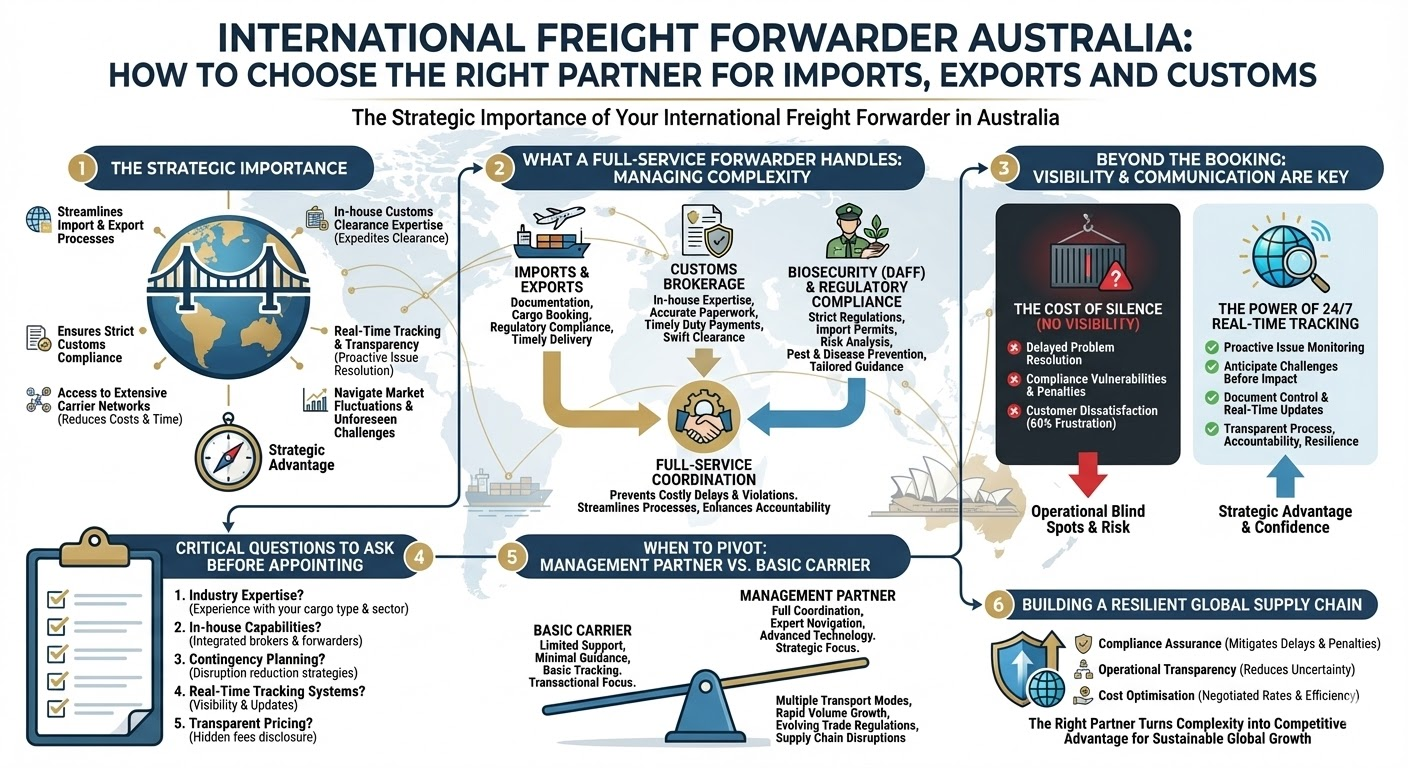
In today’s hyper-competitive global marketplace, efficiency isn’t just a buzzword; it’s the bedrock of profitability. Yet, many organisations unknowingly haemorrhage money and opportunities due to a silent, pervasive issue: fragmented logistics. This isn’t about one broken link in your supply chain; it’s about a fundamental disconnect across your entire logistics network. From disconnected systems and siloed operations to missed opportunities and escalating costs, fragmentation acts as an invisible drain on your bottom line. This article will unmask these hidden costs and provide actionable fixes to transform your logistics from a liability into a strategic advantage.
The Paradox of Growth: When Efficiency Suffers
Growth is the ambition of every thriving business. However, for many organisations, expanding operations without a unified logistics strategy leads to a counterintuitive outcome: decreased efficiency and rising costs. As companies scale, their logistics networks often grow organically, adding new systems, partners, and processes. Without integration, these additions frequently operate in isolation. This creates more touchpoints, more opportunities for error, and a compounding lack of visibility. The result is a paradox where increased business volume doesn’t translate into proportionally increased profits because the underlying logistics infrastructure is too disjointed to support it effectively. This growing complexity, if left unaddressed, becomes a significant impediment to sustained success.
Defining Fragmented Logistics: Siloed Systems, Disconnected Operations, and Missed Opportunities
Fragmentation creates disconnected silos (left), while an integrated approach unifies systems for end-to-end visibility and efficiency (right).
Fragmented logistics refers to a supply chain where different functions, systems, and partners operate independently, lacking seamless integration and communication. This fragmentation manifests in several ways: disparate technology systems that don’t communicate, siloed operational teams with limited cross-functional awareness, and a lack of end-to-end visibility across the entire supply chain. For example, a warehouse management system might not communicate with the transportation management system, leading to manual data re-entry, errors, and delays in shipment processing. This disconnect prevents organisations from gaining a holistic view of their operations, hindering effective decision-making and creating numerous missed opportunities for optimisation, cost savings, and improved customer service.
Why Now? The Urgency in an Era of E-commerce Surge, Globalisation, and Economic Uncertainty
The imperative to address logistics fragmentation has never been greater. The explosion of e-commerce has dramatically increased shipment volumes and customer expectations for speed and reliability. Globalisation means managing increasingly complex, multi-modal supply chains that span continents. Furthermore, persistent economic uncertainty, characterised by fluctuating demand, inflation, and geopolitical instability, amplifies the financial risks associated with inefficient operations. In this volatile environment, any inefficiency can quickly snowball into significant cost overruns or service failures. The U.S. business logistics costs alone totalled $2.6 trillion in 2024, representing 8.7% of the national GDP [source: AASHTO Journal, 2025 (citing CSCMP/Kearney)], underscoring the vast financial stakes involved. Businesses that fail to integrate their logistics networks are ill-equipped to navigate these challenges, making them vulnerable to disruptions and competitive disadvantages.
Your Guide to Unmasking and Fixing the Silent Profit Killer
The journey from fragmented logistics to an integrated, efficient operation begins with understanding the true scope of the problem and then implementing a clear, actionable strategy. This guide will first delve into the often-overlooked costs that fragmentation imposes. Following this diagnosis, we will explore the root causes that allow fragmentation to persist. Finally, we will outline a practical, four-pillar approach to fixing these issues, enabling organisations to build a more resilient, profitable, and competitive supply chain. This proactive approach is essential for long-term success in today’s dynamic business landscape.
Unmasking the True (and Often Overlooked) Hidden Costs of Fragmentation
The costs associated with fragmented logistics extend far beyond the obvious freight bill. They permeate every aspect of an organisation’s operations, impacting finances, efficiency, reputation, and even employee well-being. Understanding these multifaceted costs is the crucial first step toward initiating meaningful change.
Direct Financial Costs: Beyond the Obvious Freight Bill
Fragmented logistics directly inflates operational expenses in several ways. Without a unified view of freight, companies often pay higher rates due to fragmented procurement, missed opportunities for volume consolidation, and a lack of negotiation leverage. This can lead to inflated freight costs, as organisations may not be leveraging their full purchasing power. Furthermore, poor inventory management, a common symptom of disconnected systems, results in excess safety stock to buffer against unknown lead times, tying up capital and incurring significant carrying costs. Global warehousing property costs, for instance, grew 10.1% in 2023 [source: Unleashed Software, 2024], making inefficient space utilisation due to poor inventory planning even more costly. Expedited shipping requests surge when plans go awry due to a lack of visibility, adding unplanned surcharges.
Operational Inefficiencies: The Silent Time Sinks and Productivity Killers
The time lost due to fragmented logistics is a substantial, often underestimated, cost. Manual data entry between disparate systems is prone to errors, requiring additional time for correction and re-processing. Teams spend valuable hours chasing down information, coordinating across departments that don’t communicate effectively, and resolving issues that could have been prevented with better integration. A staggering 24% of companies still rely on outdated, paper-based systems to manage their supply chain operations [source: Vinturas, 2024], significantly hindering efficiency. These operational bottlenecks translate directly into delayed shipments, longer lead times, and reduced overall throughput. For instance, a critical delay in one part of the process can cascade, causing subsequent steps to be rushed or requiring significant overtime from logistics teams.
Strategic & Reputational Risks: Long-Term Erosion of Trust and Competitive Edge
The consequences of fragmentation extend beyond immediate financial and operational impacts to long-term strategic and reputational damage. Inconsistent delivery times and service failures directly erode customer trust and satisfaction. Only 20% of consumers were forgiving of delivery delays and disruptions caused by supply chain issues in 2023 [source: Meteor Space, 2025], highlighting the high cost of unmet expectations. This can lead to lost sales, decreased market share, and a tarnished brand image. Furthermore, fragmented operations can increase compliance risk due to poor tracking and documentation. The inability to gain full transparency across the supply chain, as indicated by only 16% of global businesses being fully aware of all their suppliers [source: QIMA, 2025 (Q2 2024 data)], makes it harder to ensure ethical sourcing and regulatory adherence.
The Human Element: Impact on Employee Morale and Retention
The daily grind of dealing with fragmented systems and processes takes a significant toll on employees. Logistics teams often find themselves working in high-pressure environments, constantly firefighting issues caused by a lack of visibility and coordination. This can lead to frustration, burnout, and decreased morale. In fact, 76% of respondents from logistics and supply chain organisations reported significant workforce shortages in a 2024 survey [source: Impressit, 2025]. When employees are bogged down by inefficient tools and manual workarounds, their productivity suffers, and job satisfaction plummets, contributing to higher turnover rates. Replacing and training new staff incurs substantial costs, further exacerbating the financial drain of fragmentation.
The Root Causes: Why Fragmentation Persists in Modern Logistics Operations
Understanding why logistics fragmentation endures is crucial for developing effective, long-term solutions. It’s rarely a single issue but rather a confluence of technological, organisational, and strategic factors that perpetuate the problem.
Legacy Systems and Disparate Data Silos
One of the most common culprits is the reliance on legacy technology systems. As businesses grow, they often acquire or develop new software solutions for specific functions (e.g., warehouse management, freight auditing, order fulfilment). If these systems are not designed for integration or are too old to support modern APIs, they create data silos. Information remains locked within individual systems, preventing a unified view. Poor data quality, costing organisations an average of $12.9 million per year [source: Gartner (via Esri ArcNews), 2024], is a direct consequence of these silos, leading to inaccurate reporting and flawed decision-making.
Organisational Silos and Cultural Barriers
Beyond technology, organisational structures and company culture play a significant role. Departments often operate in silos, with limited communication and collaboration between teams like procurement, operations, sales, and finance. Each team might optimise its own processes without considering the broader impact on the supply chain. A lack of shared goals or a resistance to change can further entrench these silos. This cultural inertia makes it difficult to implement integrated solutions, as individual teams may view changes as disruptive or unnecessary for their specific objectives, ignoring the overarching benefit to the entire organisation.
Insufficient Visibility and Strategic Planning
A fundamental cause of fragmentation is the lack of end-to-end visibility across the entire supply chain. When organisations cannot see real-time status updates for shipments, inventory levels, or warehouse operations, they are forced into reactive decision-making. This reactive approach prevents proactive planning and optimisation. Strategic planning suffers because leaders lack the comprehensive data needed to identify systemic issues, forecast demand accurately, or identify potential risks before they materialise. Without a clear, unified picture of the supply chain, it becomes impossible to make informed strategic decisions that drive efficiency and reduce costs.
Your Actionable Fixes: Practical Strategies for Integration and Optimisation
Overcoming logistics fragmentation requires a structured, multi-faceted approach. By focusing on four key pillars, organisations can systematically integrate their operations, enhance visibility, and drive significant improvements.
Pillar 1: Leveraging Technology for a Unified Logistics Network
Technology is the cornerstone of modern logistics integration. Investing in a unified technology stack is paramount. This often involves implementing or upgrading Transportation Management Systems (TMS) and Warehouse Management Systems (WMS) that can seamlessly communicate with each other and with enterprise resource planning (ERP) systems. Cloud-based solutions and Application Programming Interfaces (APIs) facilitate real-time data exchange. Data aggregation platforms can pull information from various sources into a single dashboard, providing a consolidated view. Advanced technologies like Artificial Intelligence (AI) and Machine Learning (ML) can further enhance this by enabling predictive analytics for demand forecasting, route optimisation, and proactive risk identification.
Pillar 2: Streamlining Processes and Optimising Workflows
Technology is most effective when paired with streamlined processes. Organisations must audit their existing workflows to identify redundancies, bottlenecks, and manual touchpoints. Standardising processes across different departments and locations ensures consistency and reduces errors. Automation of repetitive tasks, such as order processing, shipment tracking updates, and invoice reconciliation, can free up human resources for more strategic activities. Optimised warehouse operations, including efficient layout, picking strategies, and inventory slotting, are crucial. Streamlining freight procurement through centralised platforms or managed service providers can lead to significant cost savings. This focus on operational efficiency directly combats the time sinks and productivity killers caused by fragmentation.
Pillar 3: Fostering Strategic Partnerships and Cross-Functional Collaboration
Building strong relationships with logistics partners and fostering internal collaboration are vital. Consolidating the number of carriers and third-party logistics (3PL) providers can simplify management, improve negotiation power, and allow for deeper integration. Aiming for a single point of contact or integrated technology solutions with key partners creates greater transparency. Internally, cross-functional teams comprising members from procurement, operations, IT, and sales must be established to ensure alignment on logistics strategies and goals. This collaborative approach breaks down organisational silos, promotes a shared understanding of challenges, and facilitates better decision-making that benefits the entire supply chain. Building trust with carriers is also essential for reliable service and proactive issue resolution.
Pillar 4: Cultivating Data-Driven Decision Making and Continuous Improvement
The true power of an integrated logistics network lies in its ability to generate actionable insights through data. Establishing Key Performance Indicators (KPIs) that reflect the health and efficiency of the entire supply chain is essential. Implementing real-time performance monitoring systems allows for immediate identification of deviations from planned performance. Utilising analytics for forecasting, demand planning, and identifying trends enables proactive adjustments rather than reactive responses. This commitment to data-driven decision-making creates a culture of continuous improvement. Regularly reviewing performance data, gathering feedback from teams and partners, and iterating on processes ensures that the integrated logistics network evolves and remains optimized over time, helping to mitigate the significant environmental costs of inefficient logistics, which could account for up to 40% of global carbon dioxide emissions by 2050 [source: Baxter Freight, 2024 (citing European Environment Agency)].
Quantifying Your Success: Measuring ROI and Sustaining Momentum
Successfully implementing changes to combat logistics fragmentation requires demonstrating tangible value and establishing a framework for ongoing success.
A Framework for Calculating Your Specific Cost Savings
To quantify the return on investment (ROI) of your logistics integration efforts, you must establish baseline metrics before implementation and track them consistently afterwards. Key areas to measure include:
- Reduced Freight Spend: Track changes in per-unit freight costs, carrier rates, and overall transportation spend.
- Inventory Optimisation: Measure reductions in inventory holding costs, stock-outs, and excess inventory.
- Operational Efficiency Gains: Quantify reductions in manual processing time, order fulfilment cycle times, and labour hours spent on administrative tasks.
- Reduced Expedited Shipping Costs: Monitor the decrease in surcharges for urgent shipments.
- Improved Customer Service Metrics: Track on-time delivery rates, order accuracy, and customer satisfaction scores.
- Reduced Error Rates: Monitor the decrease in shipping errors, damages, and returns.
By comparing these metrics pre- and post-integration, you can build a compelling business case for your initiatives and demonstrate significant cost savings.
Sustaining the Integrated Advantage: Long-Term Strategies
Sustaining the benefits of an integrated logistics network requires ongoing commitment. This involves fostering a culture of continuous improvement where data is regularly reviewed and acted upon. Investing in ongoing training for teams on new technologies and processes is crucial. Regularly reassessing partnerships and performance ensures that you are working with the most effective providers. Staying abreast of emerging technologies and market trends allows for proactive adaptation. Furthermore, ensuring strong executive sponsorship for logistics initiatives reinforces their strategic importance within the organisation and helps to maintain momentum, preventing a slide back into fragmented operations.
Conclusion: Build a Resilient, Efficient, and Profitable Future
Recap: The Silent Cost of Fragmentation and the Power of Actionable Fixes
Fragmented logistics is a pervasive and costly issue for businesses across all sectors. It manifests as inflated direct costs, silent operational inefficiencies, significant strategic and reputational risks, and a detrimental impact on employee morale. The root causes often lie in legacy systems, organisational silos, and a lack of end-to-end visibility. However, by adopting a strategic, four-pillar approach—leveraging technology for unification, streamlining processes, fostering collaboration, and cultivating data-driven decision-making—organisations can dismantle these barriers.
The Competitive Difference: Proactive Investment Versus Reactive Firefighting
The choice is clear: organisations can continue to operate reactively, constantly firefighting the symptoms of fragmentation, incurring escalating costs and risking their competitive position. Or, they can proactively invest in integration and optimisation, transforming their logistics from a cost centre into a strategic enabler. This proactive approach builds resilience, enhances efficiency, and unlocks significant profit potential, offering a distinct competitive advantage in an increasingly complex global marketplace.
Call to Action: Start Unmasking and Fixing Your Hidden Logistics Costs Today
Don’t let the invisible drain of fragmented logistics continue to erode your profitability. Begin by thoroughly assessing your current logistics operations to identify areas of fragmentation and their associated costs. Then, develop a phased implementation plan based on the four pillars outlined: technology, processes, partnerships, and data. Start small, measure your success, and scale your efforts. By taking decisive action today, you can build a more efficient, resilient, and ultimately more profitable future for your business.